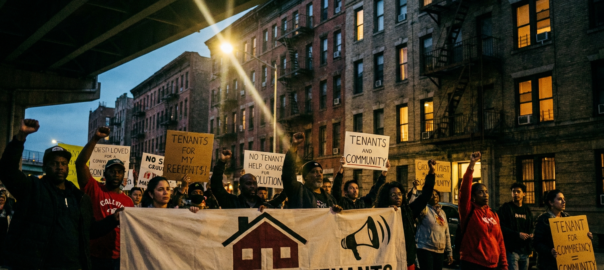
When Housing Was More Than Numbers
The Ramirez family ran the corner store on Maple Street for thirty-seven years. Mrs. Ramirez knew which kids needed free lunch money slipped into their backpacks and which elderly neighbors hadn’t picked up their prescriptions in too long. She cashed paychecks for folks without bank accounts, let people buy groceries on credit during tough weeks, and somehow always had exactly the right greeting card when someone’s grandmother passed away.
When their building sold last spring for three times what they paid for it in 1985, the new owners raised their commercial rent by 400 percent. The Ramirez family couldn’t afford it. The corner store is now another vacant storefront with newspapers taped over the windows. Our block lost something that city planners never quite capture in their affordable housing reports.
This is what happens when we talk about displacement only in terms of residential units. We count the apartments lost, the families forced to move further out, the rising rents that push longtime residents to choose between medicine and groceries. But we rarely track the small businesses that anchor our neighborhoods, the informal networks of care that keep communities functioning, the daily interactions that make a place feel like home.
The Infrastructure Nobody Counts
Walk through any rapidly gentrifying neighborhood and you’ll see the pattern. The laundromat where people gathered to fold clothes and catch up on neighborhood news is now a boutique fitness studio. The family restaurant where teenagers worked their first jobs transformed into a wine bar with $18 appetizers. The auto shop that employed three generations of the same family got replaced by luxury condos.
Each loss might seem small in isolation. But together, they dismantle the economic ecosystem that allowed working-class families to build lives here. When Juan’s Auto Repair closed after forty years, six mechanics lost their jobs. More importantly, hundreds of neighbors lost access to affordable car repairs. Now they drive twenty minutes to find someone who won’t charge them $200 just to run diagnostics.
The city’s latest affordable housing plan mentions commercial displacement exactly twice in sixty-four pages. It focuses on preserving existing affordable units and creating new ones, both essential goals. But it doesn’t address how a neighborhood can maintain affordable housing while losing every business that made it livable for working families.
What Kept Rents Stable
Before the wave of speculation hit our area, Mrs. Chen owned four small apartment buildings on the same block. She lived in one of them, kept rents reasonable because she knew her tenants personally, and fixed things quickly because broken heaters affected her own comfort too. When her daughter moved to Seattle for work, Mrs. Chen sold to a property management company based in Atlanta.
The new owners raised rents to “market rate” within eighteen months. They hired the cheapest contractors for repairs, ignored tenant complaints, and eventually pushed out most of the longtime residents through a combination of neglect and intimidation. Three of the four buildings now sit half-empty because the rents are too high for the neighborhood but too low to attract the demographic the owners actually want.
This pattern plays out across the city, but rarely makes headlines. Small landlords who viewed property ownership as a modest investment strategy get bought out by companies that treat buildings like stock portfolios. The human relationships that once provided some protection for tenants disappear into spreadsheets managed from corporate offices hundreds of miles away.
Building Different Futures
Some neighborhoods are fighting back by creating new models that prioritize community stability over maximum profit. The resident council at Riverside Apartments convinced the city to help them purchase their building when their corporate landlord decided to sell. Now they control their own rents and maintenance decisions through a limited equity cooperative structure.
The Maple Street Merchants Association is working with a community development financial institution to keep commercial spaces affordable for local businesses. They’ve helped three longtime establishments purchase their buildings at below-market rates, preventing displacement while maintaining the mix of services that makes the neighborhood functional for working families.
These solutions require patience, coordination, and the kind of detailed local knowledge that only comes from paying attention over time. They work because they address the whole ecosystem, not just individual pieces. When we organize around housing, we need to think about corner stores and auto shops and beauty salons too.
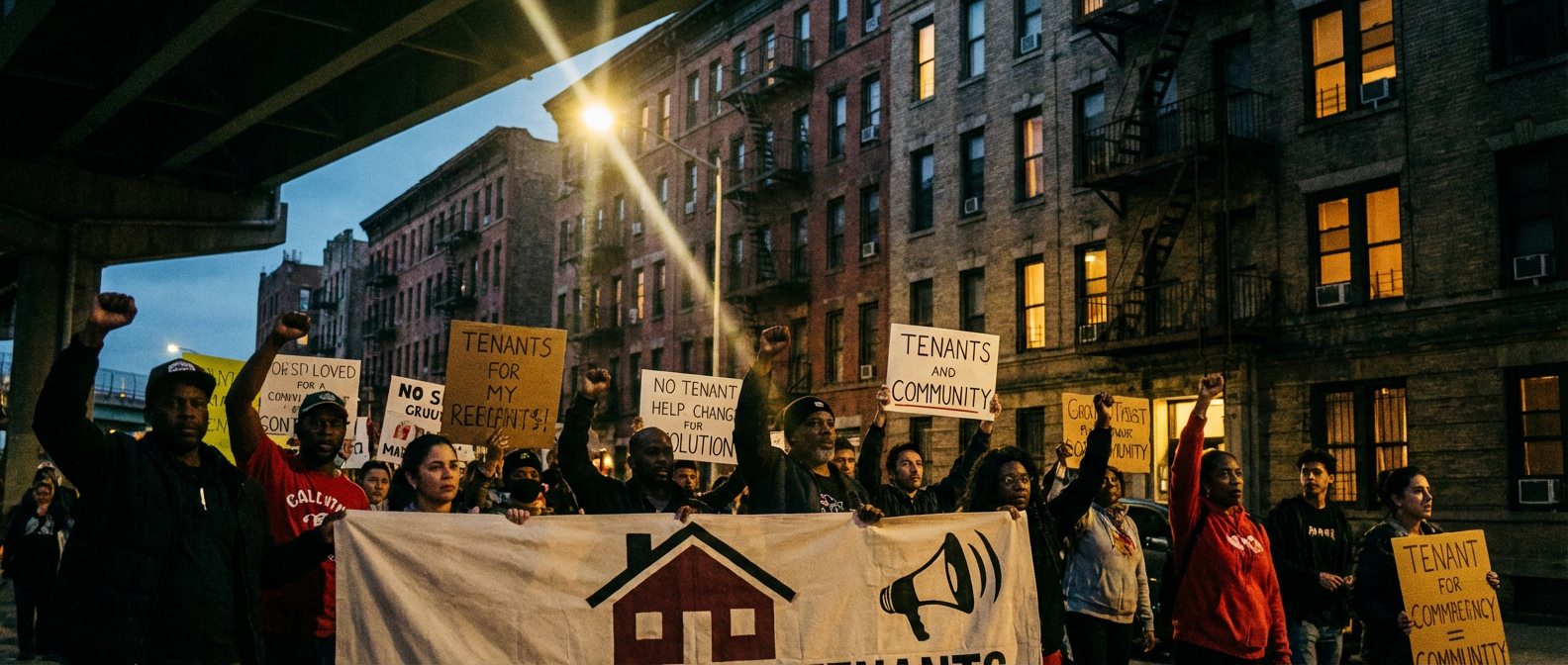
The city council meets every second Tuesday at 7 PM in the basement conference room at City Hall. Next month they’re reviewing the commercial rent stabilization ordinance that’s been stalled in committee since last spring. The Tenants Union is organizing carpools for anyone who wants to attend but doesn’t have transportation. Sometimes the most effective advocacy happens when we show up consistently for the boring meetings where real decisions get made.
Starting Where We Are
Last Saturday, twelve neighbors helped plant fruit trees along the vacant lot where Chen’s Hardware used to stand. We’re not trying to recreate the past or pretend that nostalgia alone can solve displacement. But we can build the infrastructure for whatever comes next.
The trees will take five years to produce fruit. By then, we hope to have figured out how to keep the lot in community hands, maybe through the land trust model that’s working in other cities. The Neighborhood Association meets every third Thursday at the library branch on Oak Street. We’re always looking for people who want to help research policy options, attend planning meetings, or just keep track of what’s happening with the properties around us.