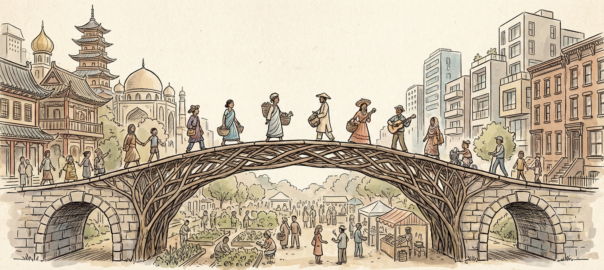
When Good Intentions Meet Real Barriers
Last spring, Maria Santos knocked on every door in her four-block radius with a simple idea: throw a neighborhood potluck to celebrate the area’s growing diversity. What seemed like a straightforward plan quickly revealed the messy realities of communities where longtime residents live alongside newer immigrant families, young professionals, and multigenerational households speaking different languages and scraping by on different incomes.
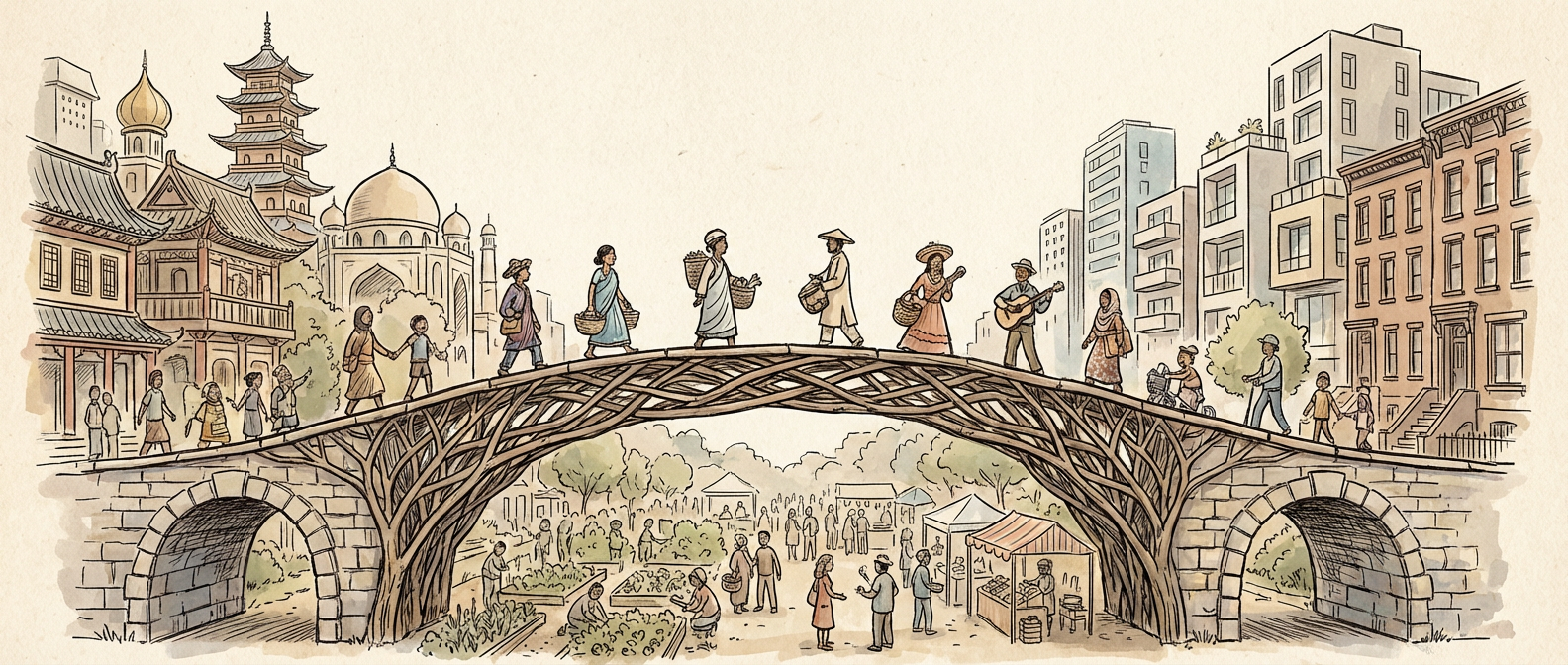
The initial response told her everything. While many English-speaking residents enthusiastically signed up to bring dishes and help with setup, very few of the Spanish-speaking families committed to attending. Phone calls revealed concerns about language barriers, uncertainty about what to expect, and past experiences where cultural events felt more like performances for outsiders than genuine community building. Meanwhile, some longtime residents worried whether the event would actually bring people together or just highlight how divided they really were.
Rather than pushing forward with the original plan, Maria did something that changed both the event and her entire approach to community organizing. She spent the next month having coffee with neighbors, not to sell them on her idea, but to understand what community connection actually meant to different families. These conversations became the foundation for an event that went way beyond food sharing to create actual bridges between cultural groups.

The Kitchen Table Strategy
What came out of those coffee conversations was a planning approach that put relationship building ahead of event logistics. Maria partnered with Rosa Hernández, a respected figure in the local Latino community, and together they developed what they called “kitchen table meetings.” Instead of large planning sessions, they hosted small gatherings in people’s homes where neighbors could share their hopes and concerns in comfortable settings.
These intimate meetings revealed practical barriers that traditional event planning often misses completely. Childcare was a major issue for many families. Work schedules varied dramatically, with some neighbors working multiple jobs or weekend shifts. Language interpretation wasn’t just about Spanish and English, but also included Somali and Vietnamese speakers in the community. Most importantly, people wanted assurance that this wasn’t a one-time feel-good event, but part of a larger commitment to building ongoing relationships.
The kitchen table approach also uncovered existing networks and informal leaders that outside organizers typically miss. Mrs. Chen, who ran a small alterations business from her home, already worked as a trusted advisor for many families trying to navigate city services. James, a teenager who translated for his grandmother at medical appointments, had become a bridge between older residents and newer families. The planning process became a way to recognize and strengthen these existing connections rather than creating artificial new ones.
Building the Event Around Real Needs
By the time planning shifted to logistics, the event had evolved into something much more substantial than a potluck. The core team had identified three priorities that mattered across cultural lines: helping kids succeed in school, improving neighborhood safety through better relationships, and connecting people to city resources and services.
The final event combined food sharing with practical workshops. Tables with dishes from different cultures were paired with information stations where neighbors could learn about everything from registering to vote to accessing translation services at city hall. High school students provided childcare while simultaneously earning community service hours. Local business owners, including Mrs. Chen and Ahmed from the corner market, shared information about services they provided and challenges they faced.
Language accessibility went beyond having interpreters present. All materials were translated, but more importantly, the format ensured that people could participate meaningfully regardless of English proficiency. Cooking demonstrations became opportunities for cross-cultural exchange without requiring extensive verbal communication. Photo displays showing neighborhood changes over decades sparked conversations that worked across language barriers.
The event’s success wasn’t measured just in attendance numbers, though the turnout beat expectations. More significant was the quality of interactions and the commitments made for ongoing collaboration. Three separate working groups formed that day, focusing on school advocacy, neighborhood safety, and small business support.
What Actually Stuck and Why
Six months later, the most lasting impact wasn’t the single block party, but the relationships and systems it created. The school advocacy group successfully pushed for better communication between the district and non-English speaking families. They didn’t just advocate for translation services but worked with teachers to understand cultural differences in how families engage with education. This led to more effective parent-teacher conferences and increased participation in school board meetings.
The neighborhood safety group moved beyond typical “community watch” approaches to focus on building relationships that actually deter crime and support vulnerable residents. They organized regular walking groups that naturally increased eyes on the street while giving neighbors reasons to talk to each other. When vandalism hit the local mosque, the response was swift and supportive because relationships were already in place.
Perhaps most importantly, the planning process created a model that other neighborhoods began copying. The combination of one-on-one relationship building, small group planning, and events designed around shared needs rather than cultural performance turned out to be replicable. City council members took notice, and the community development office now promotes similar approaches in other areas facing rapid demographic change.
The Quiet Work That Makes Change Possible
The real lesson from Maria’s neighborhood isn’t about throwing better events, but about doing the patient work of building relationships before asking people to participate in solutions. This means showing up consistently, listening more than talking, and recognizing that trust develops slowly, especially in communities where people have experienced discrimination or exclusion.
Successful cross-cultural organizing also requires acknowledging power dynamics and resource differences that affect how people can participate. Some neighbors had flexible schedules and financial resources that made volunteering easier, while others faced constraints that required different forms of contribution. Creating multiple ways for people to be involved, from hosting meetings to sharing social media posts to watching children during events, ensures that community building doesn’t accidentally exclude the people it aims to help.
The ongoing work includes regular check-ins, celebrating small victories, and honestly addressing conflicts when they arise. Cultural bridge-building isn’t a problem to be solved once, but an ongoing practice that requires attention and adjustment as neighborhoods continue to change.
If you’re seeing demographic shifts in your own neighborhood and wondering how to build connections across difference, start with coffee conversations rather than grand plans. The city has resources for community organizing, and our next neighborhood meeting is the third Tuesday of each month at the library. But honestly, the best place to start is your own block, one conversation at a time.