The Shift That Happened While We Were Looking Elsewhere
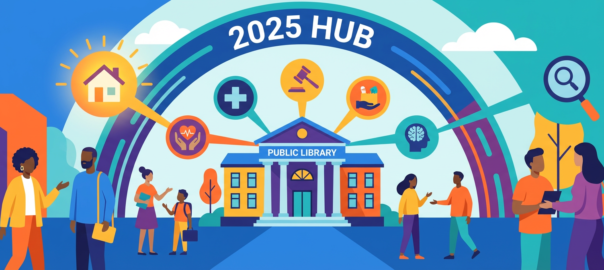
Three years ago, if you walked into your local library looking for help with a mental health crisis, a housing application, or job training, you would have gotten polite directions somewhere else. Today, that same librarian might hand you a pamphlet for local clinics, connect you with a benefits counselor, or refer you to a social worker embedded in the building itself. This is not a small change. This is a fundamental rearrangement of what public libraries do, why they matter, and who gets to use them as an anchor when everything else is moving too fast.
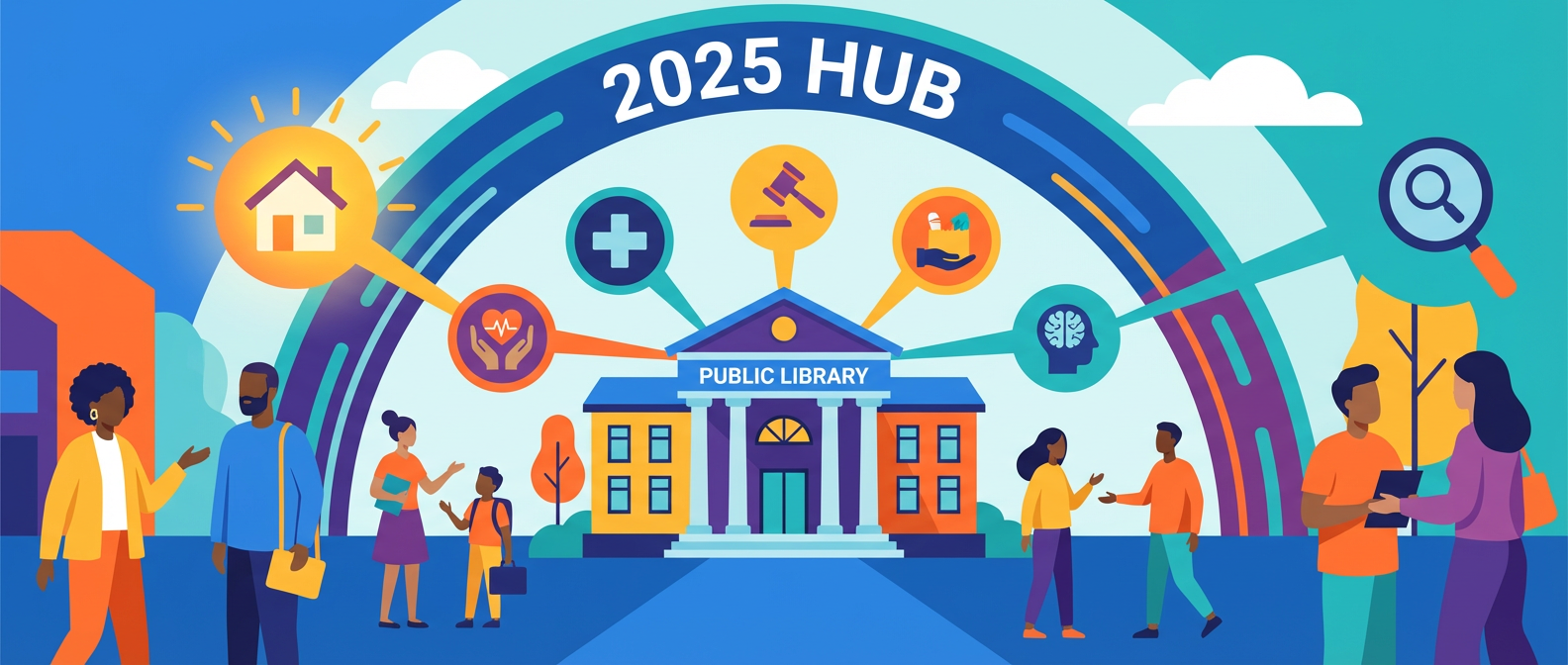
The numbers tell the story clearly. According to the American Library Association State of America’s Libraries 2025, three-quarters of public libraries now offer at least one social service that would have been completely foreign to library operations a decade ago. Mental health referrals. Benefits enrollment assistance. Job training programs. Harm reduction services. These are not fringe experiments or pilot projects in progressive cities anymore. They are becoming standard practice across urban branches, suburban systems, and rural library networks trying to serve communities that need them most.
What We Lost When Libraries Became Everything to Everyone
Let’s be direct about what this shift costs. Libraries used to have a clearer job. You went there to borrow books, research something, sit in air conditioning for free, or use a computer when you didn’t have one at home. There was a particular kind of refuge in that simplicity. You didn’t have to explain your life story. You didn’t have to prove you deserved to be there. You just showed up, and the library had a space for you. That function hasn’t disappeared, but it has gotten much harder to protect when the same staff and resources are now managing addiction crises, navigating bureaucratic systems, and providing crisis intervention.
The library that becomes everything risks becoming nothing particularly well for anyone. A librarian trained to help with résume writing is now also trained to recognize signs of homelessness or substance use disorder. They are trusted with far more intimate information than they were five years ago. The quiet reading room gets busier because libraries are now actively marketing themselves as places to access services people desperately need. That community function is real and necessary, but it does change the texture of the space itself. Some of what made libraries uniquely valuable — the simplicity, the no-questions-asked nature of entry — gets complicated when the institution becomes a gateway to social services.
Where the Money Is Going and What It Tells Us
The federal government is bankrolling this transformation. The Institute of Museum and Library Services Grant Programs awarded $282 million in fiscal year 2025, with a record 31 percent of those funds specifically directed toward libraries functioning as community resilience centers. That is not accidental. That is policy. Libraries are being funded by the federal government as infrastructure for addressing social problems that would otherwise fall entirely on crisis management systems, nonprofits, and overwhelmed local governments.
Consider Denver. When Denver Public Library embedded licensed social workers directly in branch locations starting in 2018, it was testing an idea that seemed radical then. By 2024, those social workers had handled over 14,000 patron interactions at library branches. That is 14,000 times someone walked into a library expecting to borrow a book or use a computer and instead found qualified help navigating their immediate crisis. That model works. It produces measurable outcomes. It also means that Denver’s library system is now operating as a de facto mental health intervention site, which is absolutely necessary and also a clear indication of what other systems are failing to do.
The Numbers Show People Are Already Voting With Their Feet
The most telling statistic emerged from a 2025 Pew Research Center survey. Sixty-five percent of Americans visited a public library in the past year. But here is the shift: 28 percent of those visitors cited social services or community programming as their primary reason for coming. In 2016, that number was 11 percent. People are not replacing book borrowing with social service access. They are adding services to their reasons for showing up. The library is becoming the place you go when you need help that is free, local, and not wrapped in the shame or bureaucracy of other systems.
San Francisco’s library system offers perhaps the most concrete example of this transformation in action. Since implementing a harm reduction partnership with local health agencies in 2023, library branches have distributed over 1.2 million naloxone doses. That is not a library function in any traditional sense. That is a public health intervention happening at a community anchor institution because the traditional public health system does not have the reach or the footprint. A library user recovering from addiction can access lifesaving medication at the same place they borrow audiobooks. Both functions matter. Both reflect different needs in the same community.
What This Means for What Comes Next
The transformation is real and it is accelerating. Three-quarters of libraries now offer services that were unthinkable as library business five years ago. That is not a trend that reverses itself easily. The money flowing toward these programs is structured as long-term funding for community resilience, not temporary grants. The people using these services are showing up in numbers that have grown steadily since 2016. The system is adjusting to meet need where it exists, even if that means libraries become something different than they were.
The loss is real. Some of what made libraries simple and accessible does get complicated when they become social service hubs. The quiet spaces get louder sometimes. The purpose gets harder to articulate in a single sentence. The staff expertise required expands from information science into crisis intervention and resource navigation. That is not nothing. It matters that we notice what we are trading away, even as we recognize what we are gaining. A library that can connect someone in crisis with a social worker, benefits counselor, and job training program is doing essential work that nothing else in the community might do.
If you have not visited your local library in a while, go talk to the staff. Ask them what they are offering now that was not on the menu five years ago. Find out whether they have social workers, mental health resources, or job training. Understand what your library is becoming and whether that aligns with what your community actually needs. Libraries are responding to genuine crises and real gaps in how we care for each other. The shift is worth understanding, worth supporting, and worth thinking carefully about, because it reflects where we are and what we have decided matters most.