All posts by Myrtle Davis

Why the Tree Planting Coalition Split in Half (And What That Taught Me About Building Movements)

When Good Intentions Meet Real Power

Last Tuesday’s city council meeting ran until 11:47 PM because forty-three residents showed up to argue about trees. Not just any trees—the 200 saplings our neighborhood coalition had spent eight months planning to plant along Riverside Drive. Half the room wanted native oaks that would take decades to mature. The other half demanded fast-growing maples that would provide immediate shade for the bus stops where kids wait every morning.

I watched our coalition fracture in real time. People who’d spent weekends together at plant sales suddenly couldn’t make eye contact. The woman who’d organized our successful petition drive stormed out during public comment. By the time Councilmember Rodriguez called for a recess, I realized we’d made every classic organizing mistake in the book.

The Power Map Nobody Wants to Draw

Here’s what I should have done six months earlier: forced our group to map out who actually makes decisions about street trees in this city. Not the people we wished had power, but the people who really do. The Parks Department director who controls the budget. The transportation planner who determines which intersections get priority. The three council members who always vote together on environmental issues.

Instead, we spent our energy converting people who were already converted. Every meeting felt productive because everyone agreed trees were good. We collected 847 signatures from neighbors who supported more urban canopy coverage. We felt unstoppable right up until we discovered that the real decision-makers were having completely different conversations about liability insurance and maintenance costs.

The oak versus maple fight wasn’t really about tree species. It was about who gets heard when resources are limited. The parents pushing for fast shade had been organizing around bus stop safety for two years before we showed up with our environmental agenda. They’d already done their power mapping. They knew exactly which council members respond to concerns about children’s welfare.

The Meeting Before the Meeting

Maria Santos taught me the most important rule of grassroots organizing during a coffee shop conversation that lasted four hours. She’d been fighting for affordable housing in the Fletcher Heights neighborhood for six years. Her secret weapon wasn’t passion or persistence, it was the meeting before the meeting.

Every time her housing coalition faced a major decision or conflict, Maria would spend two weeks having one-on-one conversations with every stakeholder. Not group discussions where people perform their positions, but individual conversations where you can actually understand someone’s underlying concerns. She’d meet the skeptical neighbor at his favorite lunch spot. She’d visit the worried homeowner in her kitchen while the kids did homework.

By the time everyone gathered for the “real” meeting, Maria already knew where the genuine disagreements lay and where compromise was possible. She’d identified the two or three people who could influence others and made sure their core concerns were addressed in any proposal. The formal meeting became a place to finalize decisions, not fight battles.

Resources Flow to Relationships

The hardest lesson took me three failed campaigns to learn: institutions don’t fund movements, they fund relationships. When our tree coalition finally got serious about raising money for professional soil testing and landscape design, we discovered that grant applications and fundraising letters weren’t getting us anywhere.

What worked was Jennifer Kim’s approach. She’d been organizing around industrial pollution in Riverside for eight years. She knew which foundation program officers actually cared about environmental justice versus those who just had it in their portfolio. More importantly, she knew which local business owners had kids in the affected schools and which ones were just writing checks for tax benefits.

Jennifer didn’t waste time with broad appeals to community spirit. She made specific asks to specific people based on their demonstrated interests. The hardware store owner who’d been complaining about air quality got a proposal focused on trees as natural air filters. The school board member worried about playground temperatures got data about shade coverage and heat reduction.

Resources followed because the relationships were already there. Jennifer had been showing up to these people’s other priorities for years before asking them to show up for hers.

What Actually Changes Things

Nine months later, we planted 127 trees along Riverside Drive. Not the 200 we’d originally proposed, but each one chosen through a process that involved both the oak advocates and the maple supporters. The compromise species, London Planes that provide quick shade and long-term stability, wasn’t anyone’s first choice, but everyone could live with it.

The real victory wasn’t the trees. It was the infrastructure we built while fighting about trees. The WhatsApp group that now coordinates responses to every city council agenda. The shared spreadsheet tracking which neighbors can provide what skills for future campaigns. The monthly coffee meetings where people who disagreed about tree species discovered they agreed about a dozen other local issues.

Sarah Williams, who’d been one of the fiercest oak advocates, now co-chairs our coalition with David Chen, who’d led the maple contingent. They’ve learned to argue productively about strategy while presenting a united front to decision-makers. Last month they convinced the city to update its tree maintenance budget for the first time in six years.

That’s how grassroots organizing actually works. Not through inspirational speeches or viral social media campaigns, but through the slow work of building relationships that can survive disagreement. The movements that last aren’t the ones that avoid conflict, they’re the ones that develop systems for working through it.

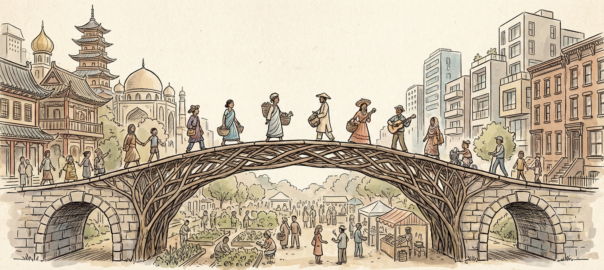
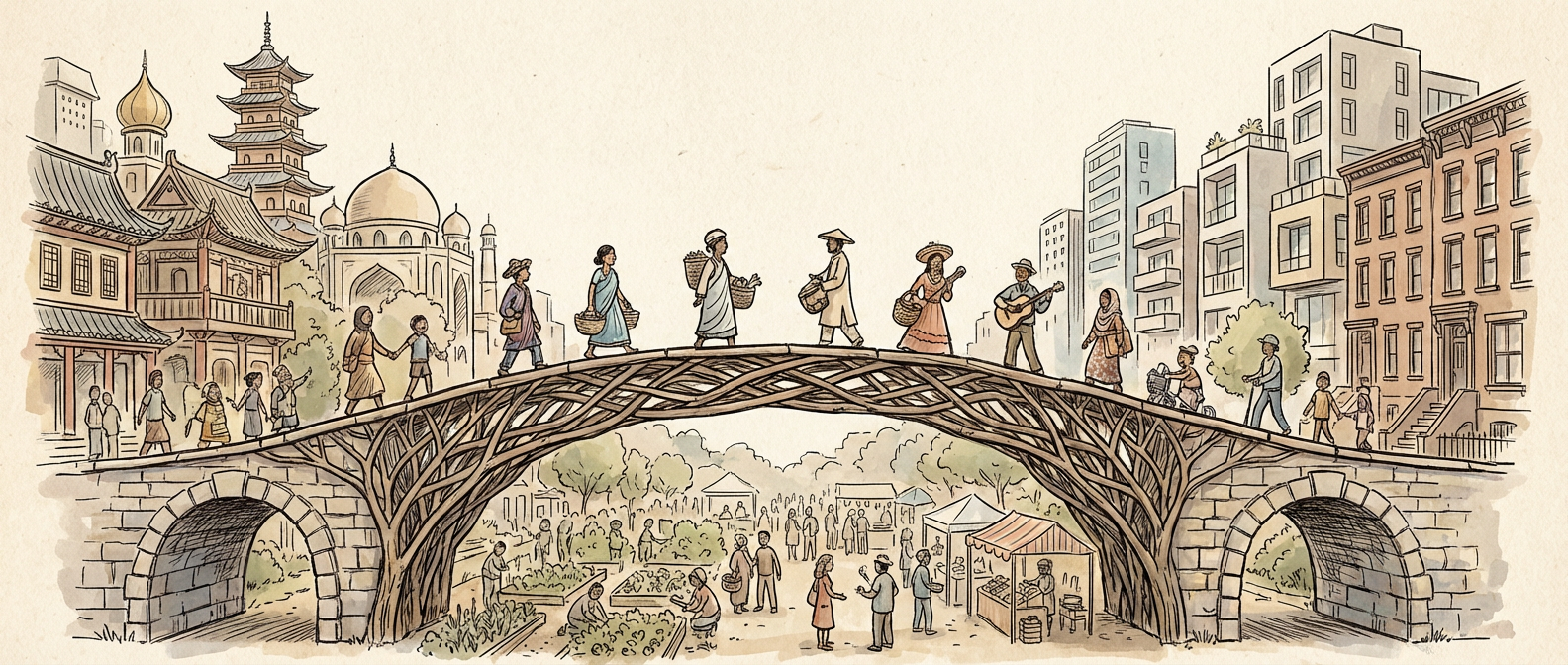
How One Block Party Became a Blueprint for Building Community Across Cultural Lines

When Good Intentions Meet Real Barriers

Last spring, Maria Santos knocked on every door in her four-block radius with a simple idea: throw a neighborhood potluck to celebrate the area’s growing diversity. What seemed like a straightforward plan quickly revealed the messy realities of communities where longtime residents live alongside newer immigrant families, young professionals, and multigenerational households speaking different languages and scraping by on different incomes.

How One Block Party Became a Blueprint for Building Community Across Cultural Lines

The initial response told her everything. While many English-speaking residents enthusiastically signed up to bring dishes and help with setup, very few of the Spanish-speaking families committed to attending. Phone calls revealed concerns about language barriers, uncertainty about what to expect, and past experiences where cultural events felt more like performances for outsiders than genuine community building. Meanwhile, some longtime residents worried whether the event would actually bring people together or just highlight how divided they really were.

Rather than pushing forward with the original plan, Maria did something that changed both the event and her entire approach to community organizing. She spent the next month having coffee with neighbors, not to sell them on her idea, but to understand what community connection actually meant to different families. These conversations became the foundation for an event that went way beyond food sharing to create actual bridges between cultural groups.

Illustration for How One Block Party Became a Blueprint for Building Community Across Cultural Lines

The Kitchen Table Strategy

What came out of those coffee conversations was a planning approach that put relationship building ahead of event logistics. Maria partnered with Rosa Hernández, a respected figure in the local Latino community, and together they developed what they called “kitchen table meetings.” Instead of large planning sessions, they hosted small gatherings in people’s homes where neighbors could share their hopes and concerns in comfortable settings.

These intimate meetings revealed practical barriers that traditional event planning often misses completely. Childcare was a major issue for many families. Work schedules varied dramatically, with some neighbors working multiple jobs or weekend shifts. Language interpretation wasn’t just about Spanish and English, but also included Somali and Vietnamese speakers in the community. Most importantly, people wanted assurance that this wasn’t a one-time feel-good event, but part of a larger commitment to building ongoing relationships.

The kitchen table approach also uncovered existing networks and informal leaders that outside organizers typically miss. Mrs. Chen, who ran a small alterations business from her home, already worked as a trusted advisor for many families trying to navigate city services. James, a teenager who translated for his grandmother at medical appointments, had become a bridge between older residents and newer families. The planning process became a way to recognize and strengthen these existing connections rather than creating artificial new ones.

Building the Event Around Real Needs

By the time planning shifted to logistics, the event had evolved into something much more substantial than a potluck. The core team had identified three priorities that mattered across cultural lines: helping kids succeed in school, improving neighborhood safety through better relationships, and connecting people to city resources and services.

The final event combined food sharing with practical workshops. Tables with dishes from different cultures were paired with information stations where neighbors could learn about everything from registering to vote to accessing translation services at city hall. High school students provided childcare while simultaneously earning community service hours. Local business owners, including Mrs. Chen and Ahmed from the corner market, shared information about services they provided and challenges they faced.

Language accessibility went beyond having interpreters present. All materials were translated, but more importantly, the format ensured that people could participate meaningfully regardless of English proficiency. Cooking demonstrations became opportunities for cross-cultural exchange without requiring extensive verbal communication. Photo displays showing neighborhood changes over decades sparked conversations that worked across language barriers.

The event’s success wasn’t measured just in attendance numbers, though the turnout beat expectations. More significant was the quality of interactions and the commitments made for ongoing collaboration. Three separate working groups formed that day, focusing on school advocacy, neighborhood safety, and small business support.

What Actually Stuck and Why

Six months later, the most lasting impact wasn’t the single block party, but the relationships and systems it created. The school advocacy group successfully pushed for better communication between the district and non-English speaking families. They didn’t just advocate for translation services but worked with teachers to understand cultural differences in how families engage with education. This led to more effective parent-teacher conferences and increased participation in school board meetings.

The neighborhood safety group moved beyond typical “community watch” approaches to focus on building relationships that actually deter crime and support vulnerable residents. They organized regular walking groups that naturally increased eyes on the street while giving neighbors reasons to talk to each other. When vandalism hit the local mosque, the response was swift and supportive because relationships were already in place.

Perhaps most importantly, the planning process created a model that other neighborhoods began copying. The combination of one-on-one relationship building, small group planning, and events designed around shared needs rather than cultural performance turned out to be replicable. City council members took notice, and the community development office now promotes similar approaches in other areas facing rapid demographic change.

The Quiet Work That Makes Change Possible

The real lesson from Maria’s neighborhood isn’t about throwing better events, but about doing the patient work of building relationships before asking people to participate in solutions. This means showing up consistently, listening more than talking, and recognizing that trust develops slowly, especially in communities where people have experienced discrimination or exclusion.

Successful cross-cultural organizing also requires acknowledging power dynamics and resource differences that affect how people can participate. Some neighbors had flexible schedules and financial resources that made volunteering easier, while others faced constraints that required different forms of contribution. Creating multiple ways for people to be involved, from hosting meetings to sharing social media posts to watching children during events, ensures that community building doesn’t accidentally exclude the people it aims to help.

The ongoing work includes regular check-ins, celebrating small victories, and honestly addressing conflicts when they arise. Cultural bridge-building isn’t a problem to be solved once, but an ongoing practice that requires attention and adjustment as neighborhoods continue to change.

If you’re seeing demographic shifts in your own neighborhood and wondering how to build connections across difference, start with coffee conversations rather than grand plans. The city has resources for community organizing, and our next neighborhood meeting is the third Tuesday of each month at the library. But honestly, the best place to start is your own block, one conversation at a time.

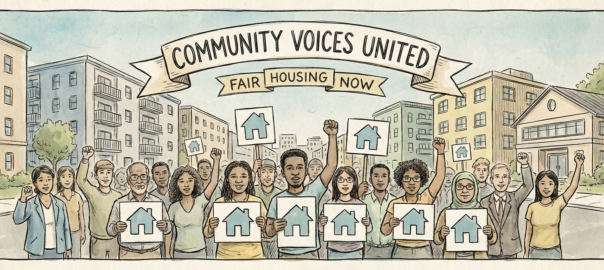
The Tuesday Night Warriors: How Maria’s Kitchen Table Became Ground Zero for Housing Justice

When Rent Notices Turn Neighbors Into Organizers

Maria Gonzalez never thought her kitchen table would become a war room. But there she was last Tuesday evening, spread out with rental agreements, tenant rights pamphlets, and a hand-drawn map of her apartment complex, while twelve neighbors crowded into her one-bedroom unit. The catalyst wasn’t ideology or politics. It was a 40% rent increase notice that landed in everyone’s mailbox the same day.

The Tuesday Night Warriors: How Maria's Kitchen Table Became Ground Zero for Housing Justice
The Tuesday Night Warriors: How Maria’s Kitchen Table Became Ground Zero for Housing Justice

The Maple Grove Apartments on the east side had been home to these families for years. Some, like Maria, had lived there since their kids were toddlers and were now watching those same children graduate high school. The building wasn’t fancy, but it was stable. Rent was $800 for a two-bedroom, manageable for families working multiple jobs. Then Consolidated Property Management bought the building, and everything changed overnight.

What happened next shows something beautiful about housing advocacy that often gets lost in policy debates and city hall proceedings. Real change starts with people who know each other’s kids’ names, who’ve borrowed sugar and jumper cables, who understand that housing isn’t just about square footage and market rates. It’s about the connections that hold communities together.

Illustration for The Tuesday Night Warriors: How Maria's Kitchen Table Became Ground Zero for Housing Justice
Illustration for The Tuesday Night Warriors: How Maria’s Kitchen Table Became Ground Zero for Housing Justice

The Anatomy of a Grassroots Campaign

I’ve been tracking tenant organizing efforts across our city for the past three years. The Maple Grove campaign follows a pattern that’s both remarkably consistent and deeply human. It starts with someone like Maria, who works as a medical assistant downtown and has zero experience with activism but plenty of experience with problem-solving. She’s the person who organized the building’s informal childcare network during the pandemic and who somehow always knows when Mrs. Chen in 4B needs help with groceries.

The first meeting was supposed to be just the four families facing eviction if they couldn’t pay the new rent. But word spread through the building’s informal networks. Parents picking up kids from the shared courtyard. Conversations at the bus stop. Text chains that started for coordinating laundry room schedules. By the time Tuesday rolled around, they’d outgrown Maria’s apartment and moved to the community center down the street.

This is where tenant organizing gets both practical and powerful. The group didn’t start with grand theories about housing as a human right, though they’d probably agree with that principle. They started with research. Carlos, who works in construction, knew the building’s maintenance issues better than anyone and started documenting code violations. Sarah, a teacher, brought her research skills and found comparable rents in the neighborhood. Ahmed, recently retired, had time to attend city council meetings and learned about the city’s rent stabilization ordinance that most tenants didn’t know existed.

Within three weeks, they’d filed complaints with the building inspector, connected with the Metro Tenants Union, and discovered that Consolidated Property Management had a pattern of these dramatic rent increases across the city. More importantly, they’d learned that they weren’t powerless.

The Real Work Happens Between Meetings

The most important part of tenant organizing isn’t the dramatic moments that make the news. It’s the conversation in the hallway at 7 AM when someone’s running late for work but stops to check in about the rent negotiation. It’s the WhatsApp group that now includes updates about everything from broken elevators to job openings at the hospital where Maria works. It’s the way Ahmed started walking his dog past the apartments of elderly residents, not just for exercise, but to make sure everyone’s doing okay.

This social network doesn’t just support the housing fight. It transforms it. When the group met with Consolidated Property Management’s regional manager, they didn’t come as individual tenants pleading for mercy. They came as neighbors who’d done their homework, who could speak to the building’s actual maintenance needs, and who had alternatives ready to propose.

The meeting took place in the community center conference room, the same space where Maria’s daughter had attended math tutoring and where Carlos had voted in every election since moving to the neighborhood. The tenants proposed a gradual rent increase tied to actual building improvements, with a clear timeline and transparency about where the additional money would go. They’d researched the property management company’s other holdings and knew this approach had worked at a similar complex across town.

Small Victories, Big Lessons

Three months later, the Maple Grove tenants haven’t won everything they wanted, but they’ve won something more valuable than a single rent concession. The final agreement included a 15% increase phased in over two years, guaranteed maintenance improvements with quarterly progress reports, and formal recognition of a tenant association with input on future changes to the property.

What’s even better is they’ve created a model that’s spreading. The Metro Tenants Union reports that five other tenant groups have reached out for organizing support in the past month, all of them referencing conversations with someone who knew someone at Maple Grove. Maria’s kitchen table meetings have evolved into monthly tenant association gatherings that rotate between apartments and include potluck dinners along with business meetings.

The ripple effects extend beyond housing issues. When the city proposed closing the bus route that serves their neighborhood, the Maple Grove tenant association was ready with ridership data and testimony about how public transportation connects to housing stability. When the community center needed volunteers for its after-school program, they had an organized group ready to help. They’d learned that tenant organizing and community organizing are basically the same thing.

Your Neighbors Are Already Organizing

Here’s what I’ve learned from following stories like Maria’s: effective housing advocacy doesn’t require expertise in zoning laws or years of experience in community organizing. It requires the willingness to have uncomfortable conversations with neighbors and the persistence to keep showing up, even when progress feels slow.

Every neighborhood has its version of Maple Grove. Buildings where rent increases are pricing out longtime residents. Landlords who ignore maintenance requests until forced to respond. Families making impossible choices between housing costs and other necessities. But every neighborhood also has people like Maria, Carlos, Sarah, and Ahmed. People who care about their community and have skills that matter, even if they don’t think of themselves as activists.

The Metro Tenants Union holds know-your-rights workshops the first Saturday of every month at the downtown library. The city’s housing division publishes a surprisingly readable guide to tenant protections that’s available in four languages on their website. Our city council representatives actually do read their email, especially when it comes from organized groups of constituents who’ve done their homework.

If you’re curious about what’s happening in your own neighborhood, start with the small conversations. Check in with your neighbors about their housing situation. Pay attention to patterns in your building or on your block. Come grab coffee sometime and we’ll look through the latest city council agenda together. There’s probably something there that affects your daily life, and there’s definitely something you can do about it.

Your Complete Guide to Starting a Community Garden: From City Hall to First Harvest

Understanding Your Local Landscape: Zoning, Permits, and Those Pesky Details

Let’s start with the part everyone wants to skip but absolutely can’t: the paperwork. I spent three months thinking my neighborhood’s abandoned lot would be perfect for a community garden before discovering it was zoned for future commercial development. That coffee I spilled on myself while reading the zoning maps? Worth it to avoid heartbreak later.

Your Complete Guide to Starting a Community Garden: From City Hall to First Harvest

Most cities require community gardens to operate under specific permits, typically falling under “temporary use” or “community benefit” categories. Start by calling your city’s planning department and ask specifically about community garden regulations. Don’t just ask about permits. Ask about insurance requirements, water access policies, and whether there are restrictions on structures like tool sheds or composting areas.

Here’s what I learned the hard way: some cities have streamlined processes for community gardens, complete with application templates and fee waivers. Others treat them like any other land use change, which means environmental assessments, neighborhood notification periods, and fees that can run several hundred dollars. Portland has a fantastic community garden toolkit online, while smaller cities might have nothing. If your city falls into the latter category, don’t panic. It just means you’ll be pioneering the process for future groups.

Finding and Securing Your Space: Beyond the Obvious Vacant Lots

That weedy corner lot might look perfect, but successful community gardens need three things: decent soil, adequate sunlight, and reliable water access. Soil contamination is a real issue, especially in former industrial areas or near busy roads. Most county health departments offer soil testing for around fifty dollars, and it’s money well spent. Lead contamination doesn’t mean game over, but it does mean raised beds and imported soil.

Look beyond vacant lots. Schools often have unused green space and love the educational component of gardens. Churches frequently own more land than they actively use. Some businesses will lease space for nominal fees in exchange for the positive community impact. I know a thriving garden that started in a strip mall’s back parking area after the owner realized a garden was better than paying for landscaping maintenance.

When approaching property owners, come prepared with a simple proposal that addresses their concerns upfront. Include liability insurance information, maintenance plans, and how you’ll handle conflicts. Property owners worry about mess, liability, and losing control of their land. Address these concerns directly, and you’re much more likely to get a yes.

Building Your Team: The People Who Actually Show Up

Community gardens succeed or fail based on the humans involved, not the tomatoes planted. Start small with a core group of three to five committed people before expanding. I’ve seen too many gardens launch with thirty enthusiastic volunteers and collapse when real work began. Better to start with five people who’ll show up every Saturday than thirty who disappear after the initial excitement fades.

Successful gardens need different skill sets: someone comfortable dealing with bureaucracy, someone with gardening knowledge, someone good at organizing people, and someone willing to handle money and record-keeping. Don’t assume the most experienced gardener should lead everything. The person who remembers to bring snacks and checks in with nervous newcomers might be just as valuable.

Set up clear communication channels from the start. Group texts work for small teams, but consider platforms like Slack or Discord as you grow. Create simple systems for tracking plot assignments, shared tool maintenance, and group decision-making. The gardens that thrive five years in have figured out how to make participation feel rewarding rather than burdensome.

Be honest about time commitments upfront. Individual plots might need two to three hours weekly during growing season, plus participation in group workdays for shared areas. Some people want to garden intensively; others just want to help occasionally. Both types of involvement are valuable, but set expectations clearly to avoid resentment.

The Money Talk: Budgets, Fees, and Creative Funding

Let’s talk numbers. A basic community garden startup typically costs between two thousand and five thousand dollars, depending on whether you need to build raised beds, install fencing, or establish water access. Annual plot fees usually range from thirty to one hundred dollars, which covers shared expenses like tools, compost, and basic infrastructure maintenance.

Many communities fund initial startup costs through small grants rather than member fees alone. Check with your city’s neighborhood development office, local community foundations, and environmental organizations. Home improvement stores sometimes donate materials, especially if you can offer them positive publicity and volunteer hours for their community service initiatives.

Create a transparent budget that members can review. Include categories for startup costs, annual maintenance, tool replacement, and a small emergency fund. Some gardens operate successfully on shoestring budgets with creative resource sharing, while others invest in permanent infrastructure like greenhouses or rainwater collection systems. Both approaches work, but align your budget with your community’s goals and capabilities.

Consider alternative funding models beyond plot fees. Some gardens sell excess produce at farmers markets, host paid workshops, or partner with local restaurants interested in ultra-local ingredients. Others focus purely on community benefit and keep costs minimal through volunteer labor and donated materials.

Making It Sustainable: The Unglamorous Work That Keeps Gardens Alive

The gardens still thriving after five years have figured out sustainable systems for the boring but necessary tasks. Tool maintenance, conflict resolution, seasonal transition planning, and leadership succession planning determine long-term success more than soil quality or perfect weather.

Set clear guidelines for shared responsibilities before problems arise. Who locks the gate? How do you handle plot abandonment? What happens when someone’s compost bin smells terrible? Create simple systems for tracking shared tasks and addressing issues early. The best garden agreements I’ve seen are two pages long and cover the top ten potential conflicts clearly.

Plan for leadership transition from the beginning. Founder burnout kills community gardens. Rotate responsibilities annually, document important processes, and train multiple people for each task. The person who knows where the water shutoff valve is located shouldn’t be the only person who knows where the water shutoff valve is located.

Build connections with other community gardens in your area. They’re invaluable resources for problem-solving, bulk purchasing, and moral support during tough seasons. Most gardeners love talking about what works and what doesn’t. Take advantage of that generosity.

Starting a community garden requires patience, persistence, and probably more paperwork than you expect. But there’s something magical about watching neighbors who barely nodded to each other before suddenly debating tomato varieties over shared fence lines. If you’re ready to dive into your city’s zoning codes and convince friends to spend their Saturday mornings digging, your community is probably ready for a garden too.

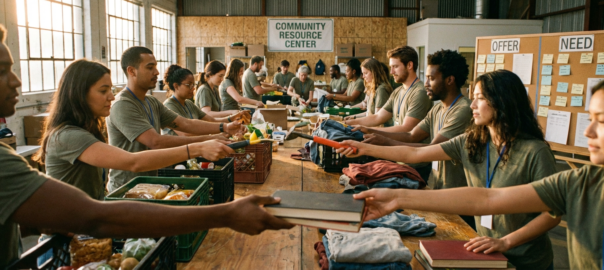
The Grocery Run That Changed Everything: How One Neighborhood Built a Lifeline

When Mrs. Chen Couldn’t Get to the Store

It started with groceries, the way most good things do in neighborhoods. Mrs. Chen, who lives three blocks from the Riverside Community Center, mentioned to her neighbor Janet that she was having trouble getting to the store since her arthritis flared up last winter. Janet offered to pick up a few things during her own shopping trip. Word spread through the informal network of dog walkers and front-porch conversations, and within two weeks, seven households were coordinating grocery runs for elderly or mobility-limited neighbors.

The Grocery Run That Changed Everything: How One Neighborhood Built a Lifeline

That was eighteen months ago. Today, the Riverside Mutual Aid Network serves 847 households across six zip codes, operates a tool library out of three garages, runs a weekly skill-share workshop series, and maintains a community refrigerator that prevented an estimated 2,400 pounds of food waste last year. The grocery runs still happen every Tuesday and Friday, but they’re now part of something much bigger. Much messier, too, if I’m being honest.

“We discovered we had everything we needed,” says Janet Morrison, who coordinates the Tuesday grocery group and works part-time at the local credit union. “We just needed to get organized about sharing it.”

Illustration for The Grocery Run That Changed Everything: How One Neighborhood Built a Lifeline

The Infrastructure of Caring

Mutual aid sounds abstract until you see the spreadsheet. Janet pulls it up on her laptop at the community center, where we’re meeting on a Thursday morning between the senior fitness class and the after-school program setup. The spreadsheet tracks requests, offers, completed connections, and follow-ups across twelve categories: transportation, food, tools, skills, childcare, elder care, home repairs, technology help, job search support, language interpretation, emotional support, and what they call “emergency response.”

Last month’s numbers tell the story: 127 requests fulfilled, 89 new offers logged, 23 people trained in basic home repair skills, 6 families connected with immigration legal aid, and 1 community garden plot allocated to a family that had been buying vegetables with WIC vouchers at the corner store for twice what they cost at the supermarket across town.

The tool library operates on a simple checkout system managed through a group text thread. Sarah Kim, a software developer who moved to the neighborhood during the pandemic, built a simple web interface that lets people browse what’s available and reserve items. “My partner bought a tile saw for one bathroom project,” she explains. “It seemed ridiculous to let it sit in our garage when other people might need it.” The tool library now includes everything from power drills to pressure washers, camping gear to car seats, and a surprisingly popular collection of kitchen equipment for large-batch cooking. Though I have to wonder how many people actually return those stand mixers on time.

Learning to Ask, Learning to Offer

The hardest part, according to network members, isn’t logistics. It’s culture. “People around here are used to handling things on their own,” explains Marcus Williams, who joined the network after his wife died and he found himself struggling with childcare for his two daughters while working evening shifts at the hospital. “Asking for help felt like admitting failure.”

I get this. Growing up, we were taught to be self-sufficient, to not be a burden. But the network addresses this by making reciprocity visible and varied. Marcus now coordinates the weekend childcare circle, where families take turns watching each other’s kids during Saturday errands or Sunday morning activities. His daughters, ages 8 and 11, have become expert organizers of the quarterly clothing swap and run a small side business helping neighbors set up new electronics.

The skill-sharing workshops meet every Wednesday evening at rotating locations. Recent sessions have covered basic car maintenance, canning and food preservation, small engine repair, tax preparation, resume writing, and conflict resolution. “Everyone teaches, everyone learns,” says Dr. Patricia Okoye, a retired social worker who facilitates many of the sessions. “I’ve learned more about gardening and home brewing in the past year than I did in the previous decade.”

The network has developed what they call “low-barrier entry points” for new members. The community refrigerator, installed outside the community center with permission from the city, operates on a simple principle: take what you need, leave what you can. No signup required, no questions asked. Many people start there, either as contributors or beneficiaries, before getting connected to other network activities.

When Crisis Reveals Strength

The network’s emergency response capacity got its biggest test last February when an ice storm knocked out power for six days across most of the city. While utility crews worked to restore service, the mutual aid network activated what they called “warming centers” in homes that still had heat, coordinated food distribution from houses with gas stoves, and organized check-ins for vulnerable neighbors.

“We had a communication system that worked without electricity,” Janet explains. “People knew which houses to go to for updates, which neighbors had generators, who needed daily medication that required refrigeration.” The network’s response impressed city emergency management officials, who have since incorporated community resilience planning into their disaster preparedness protocols.

The storm also revealed gaps. Language barriers became more pronounced during the crisis, leading the network to establish a formal interpretation service coordinated through the local adult education center. Transportation challenges during emergency situations prompted the creation of a volunteer driver network for medical appointments and essential errands. These weren’t problems they’d anticipated, but they adapted quickly.

Building Beyond Transactions

What surprises visitors to Riverside neighborhood isn’t the efficiency of the mutual aid network, though that’s impressive. It’s the social fabric that has developed around resource sharing. Kids who grew up in the childcare circles are now teenagers who help with technology troubleshooting and lawn care for elderly neighbors. Adults who met through skill shares have formed book clubs, walking groups, and advocacy committees that show up to city council meetings when issues affect the neighborhood.

“Mutual aid isn’t charity,” emphasizes Dr. Okoye. “It’s community infrastructure. When you know your neighbors have tools you can borrow, skills you can learn, and time they’re willing to share, you make different decisions about how to solve problems. You think in terms of collective resources rather than individual consumption.”

The network has inspired similar efforts in neighboring areas, and Janet regularly fields calls from community organizers in other cities looking for advice on getting started. Her recommendation is always the same: start small, start local, and start with what people are already doing. “Mrs. Chen needed groceries,” she points out. “Everything else grew from there.” Though she admits not every neighborhood will develop this organically, and that’s okay too.

If you’re curious about mutual aid in your own neighborhood, the Riverside network maintains a simple resource guide on their website with templates, tips, and lessons learned. Or better yet, ask around about who might need groceries this week. Sometimes the best infrastructure begins with a single conversation. Just don’t expect it to be as neat and organized as that spreadsheet makes it look.

When Neighbors Disagree: Understanding the Housing Development Debate at Oak Street

The Meeting That Divided a Room

Last Tuesday’s planning commission meeting ran two hours past schedule, and if you stayed until the end, you witnessed something that’s becoming increasingly common in our city. A proposed 84-unit affordable housing development on Oak Street had neighbors lined up at the microphone with passionate, contradictory testimonies. On one side, housing advocates and prospective residents spoke about the urgent need for affordable homes. On the other, longtime residents raised concerns about traffic, infrastructure, and neighborhood character.

When Neighbors Disagree: Understanding the Housing Development Debate at Oak Street

The tension in that room wasn’t just about one development. It reflected a deeper struggle happening across communities nationwide: how do we address the housing crisis while honoring the legitimate concerns of existing residents? After reading through the meeting transcript and talking with people on different sides of this issue, it’s clear that everyone wants what’s best for our community. They just disagree completely about what that looks like.

Illustration for When Neighbors Disagree: Understanding the Housing Development Debate at Oak Street

The Case for Moving Forward

Housing advocate Maria Santos, who has been organizing with the Riverside Tenants Union for three years, made a compelling case for the Oak Street project. She pointed out that our city’s median rent has jumped 34% in the past five years, while median income has grown only 12%. The waiting list for subsidized housing now stretches to 18 months. Santos shared stories of families doubled up in apartments or making impossible choices between rent and groceries.

The proposed development would provide homes for families earning between 30% and 80% of area median income. That means teachers, retail workers, and home health aides could afford to live here instead of commuting 45 minutes from neighboring counties. Santos emphasized that this isn’t just about housing numbers. “When working families can’t afford to live where they work, we lose the economic diversity that makes communities healthy,” she said during public comment.

Developer Jennifer Chen from Westside Community Housing addressed infrastructure concerns directly. The project includes $1.2 million in community benefits: sidewalk improvements, new bus stop amenities, and funding for the neighborhood association’s tree-planting initiative. Chen noted that the development meets all city standards for parking and that a traffic study showed minimal impact on the area’s main corridors.

Neighbors’ Concerns Run Deeper Than Opposition

Oak Street resident Tom Martinez has lived in his house for fifteen years and considers himself supportive of affordable housing in principle. His concerns about this specific project center on implementation and scale. “I’m not against people having homes,” he told me over the phone. “But this neighborhood already struggles with limited street parking, and adding 84 units feels overwhelming without corresponding infrastructure improvements.”

Martinez and his neighbors point to real infrastructure challenges. The nearest elementary school is already at 98% capacity, and the community health center recently reduced hours because of staffing shortages. They worry that rapid growth without matching investments in services will strain resources for everyone, including the new residents the development is meant to help.

Neighborhood association president Linda Chang raised different concerns about community input in the planning process. “We found out about this project three weeks before the first public hearing,” she explained. “There’s been no real opportunity for neighbors to engage with the design or discuss how to make it work better for everyone.” Chang emphasized that her group isn’t opposed to development but wants more collaborative planning that addresses both housing needs and community capacity.

The Structural Forces Behind Local Disagreements

This debate reflects tensions built into how we fund and plan housing development. Because affordable housing projects rely heavily on tax credits and competitive financing, developers often need to move quickly through approval processes. This timeline pressure can conflict with community engagement processes that take months to do well.

At the same time, our city’s zoning code, written in the 1970s, makes it difficult to build smaller-scale affordable housing throughout different neighborhoods. Instead, affordable developments get concentrated in areas zoned for higher density, which can create the perception that certain neighborhoods bear too much of the burden. The result is predictable conflict between housing advocates pushing for approval of available sites and residents feeling that development is being imposed rather than planned collaboratively.

City Council member David Kim acknowledged this challenge during the meeting. “We’re trying to address a regional housing crisis with local tools that weren’t designed for this scale of need,” he said. The city is currently updating its housing element and zoning code, but those changes won’t take effect for another two years.

Finding Common Ground Without False Solutions

Even with their disagreements, both sides share important common values. Everyone wants safe, stable housing. Everyone wants functional infrastructure and strong schools. Everyone wants a voice in how their community develops. The challenge is that our current system often forces these values into competition rather than alignment.

Some promising middle-ground approaches are emerging. The Oak Street developer has agreed to phase construction over two years instead of one, allowing time to monitor impacts and make adjustments. The neighborhood association is working with the tenants union to identify shared priorities for infrastructure improvements that could benefit both existing and future residents.

These conversations aren’t easy, and they don’t resolve fundamental disagreements about growth and change. But they do create space for people to engage with each other’s concerns as legitimate rather than dismissing them outright. That’s particularly important because the Oak Street development is just one of seven affordable housing projects proposed for our city over the next three years.

The planning commission will vote on the Oak Street project next month. Whatever they decide, the underlying questions about how we grow and who gets to participate in those decisions aren’t going away. If you want to stay engaged with these issues, the housing element update process includes monthly community meetings. The next one is February 15th at the library. The city also posts all development proposals online as they’re submitted, which beats finding out about them three weeks before the hearing.

Why Your Garbage Gets Picked Up Tuesday (And Other Decisions Made While You Were at Work)

The Tuesday Morning Decision That Changed Everything

Last month, while most of us were dealing with Monday morning emails, the city council voted to move residential waste collection from Wednesday to Tuesday across the entire Riverside district. The change affects 847 households and goes into effect next month. If you live on Oak Street or anywhere between the river and Highway 9, your bins need to be out Monday night now.

This wasn’t some bureaucratic whim. Three waste management trucks broke down in February, leaving the city with a temporary fleet that runs different routes. The Tuesday shift lets them cover Riverside and Downtown in the same day, cutting fuel costs by $2,300 monthly. That money goes straight back into road maintenance, which explains why Maple Street finally got those potholes filled.

Where Your Property Tax Increase Actually Goes

The 2.1% property tax bump approved in April breaks down like this: 40% funds two new crossing guards for Lincoln Elementary and Jefferson Middle, 35% covers the new traffic light at Commerce and Pine (installation starts in August), and 25% pays for extended library hours on weekends. For a house assessed at $180,000, that’s an extra $76 per year.

The crossing guard positions were created after parents submitted a petition with 234 signatures following two near-miss incidents in the school zones. The traffic light responds to the Murphy’s Market expansion, which will triple foot traffic at that intersection once the new pharmacy opens. The library extension means Saturday hours until 6 PM and Sunday afternoons, starting this fall.

Council member Sarah Chen pushed for transparent breakdowns after last year’s budget confusion. Now every tax increase comes with a one-page explainer showing exactly where dollars go. You can find current and past breakdowns on the city website under “Budget Transparency.”

The Zoning Changes You Need to Know About

Three zoning updates passed last week will reshape how the north side develops. The biggest change allows duplexes on single-family lots larger than 8,000 square feet, but only if the property owner lives in one unit for at least two years. This affects roughly 200 properties in the Hillcrest and Oakwood neighborhoods.

The second change creates a “small business overlay” along Forest Avenue between 2nd and 8th Streets. This means corner stores, cafes, and repair shops can operate in residential areas without special permits, as long as they’re under 2,500 square feet and close by 8 PM. The overlay was designed specifically to support the kind of walkable neighborhood businesses that residents requested during last year’s comprehensive plan meetings.

Finally, new construction near the creek requires 50-foot setbacks instead of the previous 25 feet. This responds to flooding concerns raised by the Watershed Protection Alliance and creates wildlife corridors that connect to the state park. The change affects 12 undeveloped lots currently owned by Sunset Development Group.

How to Track Decisions Before They Happen

City council agendas come out every Friday for the following Tuesday’s meeting. The agenda packet includes staff reports that explain each item’s background, cost, and expected impact. These reports often contain the most useful information and are surprisingly readable once you learn the format.

The city clerk’s office maintains an email list for agenda notifications. Text “AGENDA” to 555-0142 to join, or sign up online. You’ll get a Friday afternoon email with the week’s agenda plus links to all supporting documents. The system sends about 4-6 messages monthly and includes special meetings.

For deeper tracking, the planning commission meets the second and fourth Thursdays each month. Their decisions eventually reach city council, but you can engage earlier in the process. Planning commission meetings cover subdivisions, conditional use permits, and design reviews. The agendas follow the same Friday release schedule.

Making Your Voice Count in Real Time

Public comment happens at every city council meeting during two periods: early in the meeting for any topic, and before each agenda item. Comments are limited to three minutes, but you can submit longer written statements that become part of the public record. The clerk reads all written comments aloud if you’re not present to speak.

Between meetings, individual council members hold office hours. Maria Rodriguez meets Thursdays 5-7 PM at the library, David Kim does coffee hours Saturdays 9-11 AM at Daily Grind, and Tom Mitchell holds phone hours Tuesdays 7-8 PM. These informal sessions often prove more productive than formal meetings for discussing concerns or floating ideas.

The city’s online portal lets you track specific issues by address or topic. Enter your street address to see permits, zoning applications, and infrastructure projects within 500 feet. The system emails updates when new documents are filed or decisions are made. It’s particularly useful for tracking development projects that might affect traffic or parking in your area.

Most civic engagement happens in small conversations and incremental changes, not dramatic confrontations. The crossing guards at Lincoln Elementary exist because parents organized quietly and consistently. The Forest Avenue business overlay emerged from neighborhood association meetings that happened monthly for two years. The waste collection schedule change worked because staff actually listened to driver feedback about route efficiency.

Next time you wonder why something works the way it does in your neighborhood, check the council minutes from the past six months. The answers are usually there, along with insight into what’s coming next.

The Eyes We Used to Have: How We Can Rebuild Neighborhood Watch Without the Nostalgia

The Death of the Front Porch

Walk through most neighborhoods built before 1950 and you’ll notice something: the front porches face the street. Walk through subdivisions built after 1980 and you’ll see the opposite: garages dominate the street view, and any outdoor living space sits hidden behind the house. This isn’t just an architectural trend. It’s a fundamental shift in how we designed safety into our communities.

The Eyes We Used to Have: How We Can Rebuild Neighborhood Watch Without the Nostalgia

Those front porches weren’t just for show. They created what urban planners call “eyes on the street” – natural surveillance that happened as a byproduct of daily life. Mrs. Chen watering her plants at 6 AM, the teenagers hanging out after school, the dad washing his car on Saturday afternoon. All of them were accidentally creating a security network that was more effective than any camera system because it was human, contextual, and immediate.

But here’s what we lost when we moved those activities to backyards and indoor spaces: we lost the casual encounters that build the social fabric necessary for real neighborhood safety. We lost the ability to distinguish between normal activity and something worth paying attention to. Most importantly, we lost the practice of looking out for each other as a default rather than an emergency response.

When Everyone Knows Everyone’s Business

I’ve been reading through our city’s crime statistics from the 1970s and 1980s, and something interesting emerges when you compare them to today’s numbers. Property crime rates were actually higher in many categories back then, but response times were often faster and recovery rates were better. The difference wasn’t technology. It was information flow.

In neighborhoods where people knew each other’s schedules, cars, and habits, suspicious activity stood out immediately. When the Johnsons’ house was broken into in 1983, three neighbors called it in within minutes because they knew the Johnsons were visiting family in Portland and that pickup truck didn’t belong. Today, that same break-in might go unnoticed for hours because we’ve lost that baseline knowledge of what normal looks like on our block.

This isn’t about returning to some imaginary golden age where everyone left their doors unlocked. It’s about recognizing that informal information networks create resilient communities. When people know their neighbors’ patterns, they can spot disruptions quickly. When they have relationships with those neighbors, they’re more likely to act on what they observe.

The Infrastructure of Connection

At last month’s community safety forum, Chief Martinez made a point that stuck with me: “We can’t arrest our way to safety.” The statistics back this up. Areas with strong neighborhood connections consistently show lower crime rates, faster emergency response coordination, and better outcomes when problems do occur. But connection doesn’t happen automatically. It requires infrastructure.

Some of this infrastructure is physical. We need gathering spaces that encourage regular interaction: corner stores where people actually linger, parks with benches facing multiple directions, sidewalks wide enough for conversation. The new traffic calming measures on Maple Street have created something unexpected – people actually stop and chat when they’re walking because the pace is more human.

But most of the infrastructure is social. Block parties aren’t just nice community events, they’re intelligence gathering operations where people learn who belongs where and when. Neighborhood email lists aren’t just for lost cat announcements, they’re early warning systems for pattern recognition. The community garden project on Fifth Avenue has created more effective neighborhood watch than any formal patrol program because gardeners are there at different times, they know each other, and they’ve established a rhythm of care that extends beyond the tomatoes.

Building Networks That Actually Work

The traditional neighborhood watch model asks people to become amateur surveillance operators, which appeals to some but turns off many others. What works better is embedding safety awareness into activities people actually want to do. Dog walkers naturally create patrol routes. Parents waiting for school buses create regular check-in points. People who walk for exercise can easily expand their route to include side streets.

The key is making the safety benefit a side effect of connection rather than the main goal. The knitting circle that meets in the coffee shop every Tuesday isn’t there for security purposes, but those eight women have developed an informal information network that spans four neighborhoods. They know about the elderly man on Elm who hasn’t been getting his mail, the new family on Oak who might need help with childcare, and the house on Pine where packages keep disappearing.

Technology can amplify these networks without replacing them. The NextDoor app works best in neighborhoods where people already have some face-to-face relationships. Ring doorbells are more effective when neighbors actually know which cars belong in which driveways. But the technology is only as good as the human infrastructure supporting it.

Starting Where You Are

You don’t need to wait for a comprehensive community safety plan to begin building these connections. Start with your immediate neighbors – the three houses on each side if you’re on a street, the apartments on your floor if you’re in a building. Learn names, schedules, and one or two specific details that help you recognize normal versus unusual activity.

Find one regular activity that puts you in natural contact with neighbors. Walking the dog counts. Checking the mail counts. Sitting on your front step with coffee counts. The goal isn’t to become the neighborhood busybody but to become someone who notices patterns and can work as a reliable witness if needed.

Most importantly, practice the small acts of mutual aid that build trust before you need it. Bringing in packages, sharing garden produce, or helping with trash bins on a windy day creates the social capital that makes people more likely to call you if they see something concerning at your house.

Real neighborhood safety isn’t about suspicious activity reports or crime statistics. It’s about creating communities where people look out for each other because they actually know and care about each other. That’s harder work than installing security cameras, but it’s also more effective and more human. If you want to start building this kind of network in your area, come find me at the farmers market on Saturday mornings. I’ll be the one with dirt under my fingernails, probably trying to convince someone to help plant more street trees.