All posts by Myrtle Davis

Netz Gegen Nazis — Your Community Hub

Netz Gegen Nazis — Your Community Hub

Local news, events, and resources for an engaged community.

Strong communities don’t happen by accident. This site exists to connect residents, surface local opportunities, and make civic life more accessible. We cover local news, host event listings, and maintain resources you can actually use. Because knowing what’s happening in your neighborhood shouldn’t require detective work.

Topics we cover: Local News · Events · Resources · Projects · Directory · Contact

#The Exponential Promise of Longevity Enhancement

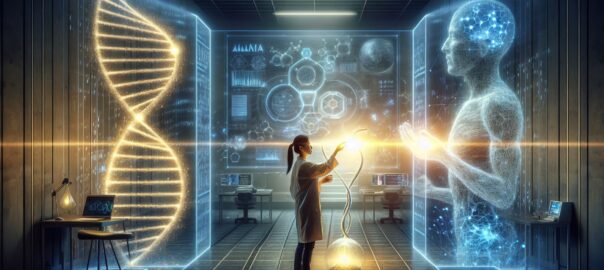
Hey there, fellow futurists! Gather ’round because today, we’re diving into a topic that might just redefine what it means to be human: longevity enhancement. Now, before you roll your eyes and think of cryogenic pods straight out of sci-fi flicks, let’s chat about the genuine leaps this field has made and what’s stirring on the horizon. Spoiler alert: we’re living in a time where reaching 150 could be the new 100.

The Biological Clock: Can We Hit Snooze?

Biologically, we’ve long accepted that human cells just aren’t programmed for forever. But what if we can hack our biological clocks to slow aging or even reverse it? Enter companies like Calico (backed by, wait for it, Google) and researchers like David Sinclair from Harvard, who are turning the aging process on its head.

Remember when anti-aging was just about reducing those pesky wrinkles? That’s child’s play compared to what these pioneers are working on. They’re digging deep into the root causes of aging at the cellular level. Things like telomere shortening, cellular senescence, and genomic instability. If these sound like villain names from a Marvel movie, then congratulations, you’re officially one of us.

Cellular Rejuvenation: Meet the Body’s Handyman

Have you ever heard of cellular rejuvenation? It’s like getting your cells a spa day. They come back refreshed, reinvigorated, and ready to tackle another century. Scientists are honing in on therapies that can repair or even replace damaged cells to keep our bodies running in tip-top shape.

Look at stem cell therapy and CRISPR gene-editing. Both are on the front lines of this battle against aging. Sounds like a mad scientist’s toolkit, right? Stem cells can renew and repair tissues, while CRISPR offers a way to weed out genetic defects before they cause age-related diseases. Combining these is like going full Tony Stark on cellular decay.

The Pharma Frontline: Pills for a Longer Life?

If you’re into popping a pill for just about everything, you’re in luck. The pharmaceutical side of longevity is buzzing with excitement. Companies like BioViva have run with the radical idea of using gene therapies to lengthen telomeres in humans. Telomeres, for the uninitiated, are the protective caps on our chromosomes that tend to shorten as we age. Longer telomeres usually mean longer life.

Rapamycin and metformin are two drugs drawing attention in this space. Initially developed for other purposes (like organ transplant rejection and diabetes, respectively), they’ve shown potential in extending life and reducing age-related conditions in animal studies. The million-dollar question: can they do the same for us human critters?

Not Just Health: Mind and Quality of Life

Yeah, living longer is great and all, but what about living well? Longevity isn’t only about adding years to life, but life to those years. There’s no point living to 150 if you can’t remember your kids’ names or miss your morning cup of java because you can’t taste it anymore.

Neurogenesis, the process of growing new neurons, is a big deal here. Researchers are figuring out how to boost brain plasticity well into our golden years, keeping cognitive decline at bay. The result? A future where our mental faculties evolve, instead of fade, with age.

Ethical Conundrums: Playing the Age Game

Let me throw a curveball here because with great power comes great responsibility, right? The implications of extended lifespans introduce a laundry list of ethical dilemmas.

First, how’s this going to impact our planet’s already stretched resources? And wealth inequality, let’s not even get started on that. Could we end up in a future where only the rich can afford to live long and prosper, while the rest of us trudge on with our humble three-score-and-ten?

Look Ahead: A New Chapter of Humanity?

These are exciting times, but longevity science inevitably carries its own share of “what ifs.” Imagine a society where people routinely live to 120 or beyond. Age 65 would be midlife, not retirement-ville. Career plans, family dynamics, even the classic “When I grow up…” conundrum would get a total makeover. Our lives might become three or four-act plays, rather than two.

And hey, maybe it’s not just sci-fi. Maybe it’s the next chapter of the human story. Only time will tell, ironically, the very thing we’re all aiming to gain more of.

Final Thoughts

Winding down, if you ask me, we’re standing at the edge of a new era where time might just be a little more on our side. It’s thrilling, a little scary, and undoubtedly complex, but that’s innovation for you.

Wave farewell to the limitations of bygone eras, because the future of aging may just start with today’s research. As we toy with this notion of agelessness, one thing’s sure: the future is wide-open, and it’s ours to craft. Whether we land in utopia or dystopia within this brave new world is something we get to decide along the way. But you know, no pressure.

Until next time, stay curious and keep dreaming those big, audacious dreams. Who knows, maybe we’ll laugh about all this over beers… in the year 2150. Cheers! 🍻

Cracking the Code of Longevity: The Fountain of Youth Might be Your Next Gadget

Hey Tech-Timers,

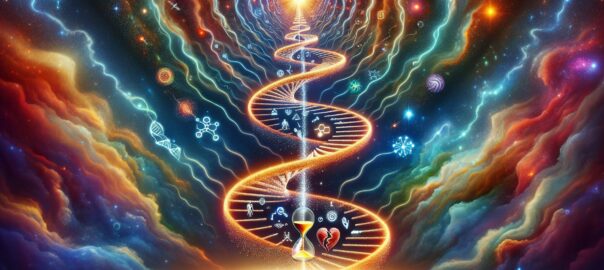
Imagine a world where reaching a ripe old age shouldn’t feel like a gamble, but more like a given. A place where living longer is as ordinary as snacking on guacamole during a Silicon Valley meet-up. Welcome to the realm of longevity, where tech geniuses are donning their biohacker hats and inviting us to rethink the word “aging”.

Let’s jump into this millennial quest for the fountain of youth, shall we?

Longevity: Not Just Grandpa’s Obsession Anymore

Gone are the days when only old folks discussed how to squeeze a few more healthy years out of life. We youngsters, inspired by sci-fi classics and the dreams whispered by Elon Musk, are equally obsessed. Why? Because the pursuit of longevity is like the ultimate video game, only here, the stakes involve our own flesh and blood.

Rewind and Renew: The Power of Cellular Reprogramming

Meet our biological powerhouse: cells. Researchers are messing around with cellular reprogramming like modern-day detectives in a Sherlock Holmes remix. Thanks to breakthroughs in epigenetics, some scientists are learning how to turn back the biological clock on cells by overwriting their programming. Basically, it’s like turning your skin back to factory settings. A reboot, but for your dermis instead of your database.

Leading this march is a crowd of biologists inspired by Yamanaka factors. It’s a bit like when you find out hitting “CTRL + Z” on your life is a thing. Stem cell research is building bridges here, too, and companies like Calico and Unity Biotechnology are exploring these pathways. Maybe we can finally put an end to “old” clichés like ‘grumpy grandpas’.

DNA Repair: Because Broken Doesn’t Mean Unfixable

It’s hard not to feel indestructible when you hear researchers are tweaking humans at a molecular level. While CRISPR technology may sound like the title of a lo-fi indie album, it’s actually a cutting-edge gene-editing tool. Think of it as your health’s back-pocket insurance. By eliminating genetic errors, CRISPR offers the possibility of extending our warranty for years to come.

Those folks over at the Broad Institute are perfecting gene therapies that could repair damaged DNA. Imagine a future where genetic hiccups no longer pre-confirm your RSVP to party with diseases like cancer or Alzheimer’s. Sounds like the coziest security blanket ever, right?

Tech Toys for Extending Time on Earth

Beyond the lab coats and Petri dishes, there’s a growing arena of consumer longevity tech, and the gadgets are pretty jaw-dropping!

Wearables: Not Just for Counting Steps Anymore

Remember when your smartwatch just nagged you about meeting your step goal or buzzing when you Netflix-binged too long? Fast forward, and that snazzy wrist accessory is now a critical longevator (yes, I coined that, a longevity innovator). Companies like Whoop and Oura smart rings are helping extend your lifespan by tracking everything from sleep stages to stress levels.

By feeding this data into AI algorithms, these wearables don’t just spew numbers. They’re like your virtual advisor, dishing out advice on how to fine-tune your lifestyle choices. Who knew your future lifeline was chilling next to your wrist bone?

Apps for Eternal Youth: Beyond Filters

On the app frontier, a host of platforms are racing to capitalize on the personalized health-tracking phenomenon (your life, but in HD). Daily health assessments? Plateau-busting workouts? Home-spun nutrition advice? They got you covered.

Take BioAge, a data-driven platform built to unearth your “biological age” compared to the candles counting up on your cake. Hooked, aren’t you? This bioinformatics marvel offers to unravel your body’s timeline, showing you just how much “life hack” you need to sync you back with your twenties.

The Future: Living Our Best (and Longest) Lives

Ah, the road ahead lies more open than Paris in August. But there are some challenges to consider, as goes with anything else mixed up with tech. Imagine balancing privacy without the Big Brother vibes, or ensuring healthcare equality without dividing communities.

Looking ahead, experts forecast even greater collaborations between tech giants like Google and AI wizards from OpenAI partnering to fast-track medical trials. Real-world application of advanced gene tweaks could become readily available to everyone, not just the billionaires looking to avoid their own mortality salads.

However, it’s not without hiccups. There’s an ethical maze to navigate, debating implications of eternally youthful living versus an equitable existence. With people like Ray Kurzweil predicting we’ll reach “Longevity Escape Velocity” relatively soon, it sounds like our calendars could have a heck of a lot more weekends.

Sign Off: A Pep-Talk for the Timeless Soul

Alright folks, it’s time to wrestle free from doom-and-gloom dispatches about aging and embrace an extraordinary era approaching. Living to witness Mars turning into a condo plot might just be on the horizon. So, swim over to this new technicolor reality where age is just a number, and every birthday is a step closer to a new, redefined youth.

Until next time, stay curious, embrace the geek factor, and keep dreaming big! And remember, while you’re exploring, make sure those cookies you binge on are packed with all the good stuff, like optimism and extra chips.

Cheers to a future of endless possibilities! 🥂

The AI Art Explosion: How Artificial Intelligence is Redefining Creativity

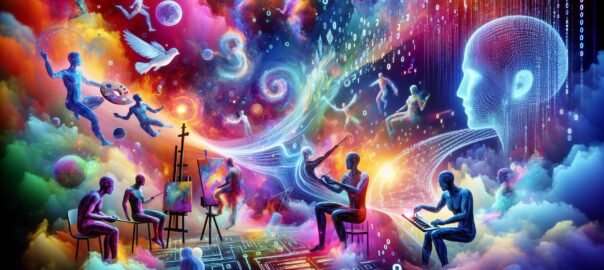
Hey, tech enthusiasts! Today, let’s talk about something that’s not just close to my heart, but completely blowing my mind! It’s the rise of Artificial Intelligence in the creative arts industry. Yeah, I know, when you think of AI, you might picture futuristic robots or complex algorithms spinning in some secret lab (shout out to OpenAI). But in reality, AI is quickly becoming the Picasso of the digital age. It’s threading its virtual brush into the fabric of art, and honestly, it’s mesmerizing to watch.

The Rise of AI Creatives

Okay, first things first, let’s talk about how AI has entered the world of creativity. You know, not too long ago, the concept of computers creating anything with aesthetic value seemed ridiculous. I mean, seriously, we thought, “Can Siri even draw a stick figure?” But here we are in 2023, witnessing mind-bending pieces of AI-generated art. Companies like DeepArt and DALL-E 2 are changing the field by using algorithms that can mimic and replicate artistic styles and even generate surprisingly original pieces.

Remember when AI beat humans at chess and everyone freaked out? Well, now it’s painting and composing music instead of just moving knights and rooks. And let’s face it – it’s cool, a little creepy, but definitely cool.

How It’s Done: Breaking Down AI Techniques

I’ve always thought of myself as a bit of a digital art geek, so watching AI develop its creative muscles has been both fascinating and confusing. Here’s a little of what I’ve learned about how AI creates art.

Generative Adversarial Networks (GANs)

GANs are like the magical fairy godmother of AI art. They have two neural networks – a generator and a discriminator – that work together. The generator creates images, while the discriminator evaluates them. It’s like a duo with one AI trying to convince the other that its creations are real art. And oh boy, practice makes perfect! As the generator continues learning from the discriminator’s feedback, the end results can be absolutely stunning.

Neural Style Transfer

This fancy term refers to an algorithm’s ability to take the ‘style’ of one image and apply it to another. Imagine combining Van Gogh’s brushwork with a selfie – the software basically pretends to be your personal art assistant. It’s merging the surreal with the mundane, making everyday snaps look like they belong in the Louvre!

Creative Fields Embracing AI

Art galleries aren’t the only space turning to AI for artistic endeavors. AI’s creative reach extends across several fields, and boy, has it sparked some fireworks in the process.

Music

I admit, when some AI-generated songs hit my playlist, a part of me wants to rebel against admitting that these tunes can be a vibe. Companies like Jukedeck and Amper Music are producing entire tracks made by AI. These pieces have made their way into commercials, video games, and YouTube videos. I even came across a track that sounded like an epic collaboration between Mozart and a Daft Punk robot! It’s not replacing our legendary musicians, but providing a new tool that can inspire fresh combinations.

Film and Animation

Lights, camera, algorithm! Yep, AI has entered the film industry as well, and it’s doing more than just special effects. It helps in scriptwriting and even creating entire short animations. For instance, the short film “Sunspring” was created via AI. It’s quirky, existential, and proof that the bots have embraced the director’s chair.

The Pros and Cons of DIY AI

At this point, you’re probably wondering, “Is AI art cheating?” It’s a fair question. I’ve seen purists raise their eyebrows, while newbies eagerly embrace the convenience and creativity boost. Let’s break down the pros and cons:

Advantages

  • Accessibility: Anyone can create art thanks to platforms powered by AI. You don’t need to be Picasso or pay for expensive classes.
  • Innovation: AI pushes boundaries by blending different genres, styles, and mediums.
  • Efficiency: It saves time and can quickly prototype ideas for creatives who might otherwise take ages to sketch out concepts.

Challenges

  • Originality Concerns: Critics argue whether AI can truly ‘create’ or simply remix.
  • Dilution of Artistic Value: Oh, the age-old worry that technology waters down the human touch.
  • Job Displacement: Worries persist over AI’s impact on creative jobs – a subject that deserves its own blog post.

Looking Forward: AI’s Artistic Future

Now comes the speculative part of our post. What does the future look like for AI art? I see an even more intertwined relationship—a world where AI works as a muse and assistant, working hand-in-hand with human creators to push the boundaries of what’s possible. Imagine walking into a gallery and experiencing a fully immersive AI-generated environment tailored to your mood at that very moment. Sounds like a Black Mirror episode, right? But rather than dystopian, think utopian!

The Human Element

Regardless of how far AI technology advances, it’s important to remember that human creativity and emotion are irreplaceable. The details of human experience—joy, sadness, struggle—can’t be perfectly mimicked by machines (or at least, not yet). The human element will always be something AI tries to understand and emulate, rather than replace.

And there you have it, folks. AI in the creative arts is an exciting journey, promising a tech-forward horizon where collaboration between humans and machines can lead to completely new forms of art and experience. I’m all in, so stay tuned, keep creating, and watch this creative cosmos unfold!

Would love to know what you think about AI-generated art! Your thoughts, your fears, your excitement—all welcomed in the comments. Until next time, keep imagining the impossible!