All posts by Myrtle Davis

Community Land Trusts Are Quietly Solving the Affordable Housing Crisis — Does Your City Have One Yet?

The Housing Math That Doesn’t Add Up (And How Some Communities Found a Different Equation)

You’ve probably noticed it happening in your own neighborhood. The house three blocks over that sold for $320,000 five years ago just went for $485,000. Your cousin got priced out of the town where she grew up. Someone’s elderly parent had to move because property taxes climbed faster than their fixed income. We talk about the housing crisis like it’s some distant economic abstraction, but it’s actually the story of real people getting squeezed out of the places they belong.

What’s less visible, though, is that a quiet revolution has been happening in cities and towns across the country. There are now over 300 active community land trusts operating in the United States, a 25 percent increase since 2020, with particularly strong growth in the South and Midwest. These aren’t corporate solutions dreamed up in boardrooms. They’re neighborhood-rooted organizations built on a deceptively simple idea: separate the land from the building, and suddenly the math changes entirely. Your community might already have one working behind the scenes, or it might be time to start one.

How Community Land Trusts Actually Work (The Part That Sounds Too Good to Be True)

A community land trust acquires land and holds it permanently, then sells or leases affordable homes built on that land to residents. Here’s where it gets interesting: the homeowner buys the building but not the land underneath it. The trust keeps ownership of the land and maintains long-term affordability restrictions. When someone sells, the home stays affordable for the next buyer. The land never gets flipped. The price never skyrockets.

Take the Champlain Housing Trust in Burlington, Vermont, one of the country’s oldest CLTs. In 2024 alone, homeowners in their program built an average of $14,000 in equity despite flat market conditions in the region. That number might not sound revolutionary until you understand what it represents: real wealth-building for people who would otherwise be locked out of homeownership entirely. These aren’t just renters getting a break. These are people accumulating assets, building stability, creating the kind of financial foundation that generational wealth is made from.

The resilience of CLTs became especially clear during the recent interest rate surge. From 2022 through 2024, when mortgage rates climbed and the broader housing market started showing stress, CLT homeowners maintained a foreclosure rate of just 0.6 percent compared to 3.8 percent for comparable market-rate homeowners. That’s not a marginal difference. That’s the difference between staying housed and losing everything. The Lincoln Institute of Land Policy documented this pattern, and it reveals something fundamental: CLTs provide not just affordability, but genuine stability.

Real Neighborhoods, Real Numbers: Where CLTs Are Actually Making a Difference

Atlanta’s Westside Future Fund is the kind of success story that makes you wonder why every city doesn’t already have something like this. Launched in 2017, this CLT had preserved over 300 affordable units by 2025 in neighborhoods where median home prices rose 62 percent over that same period. Think about what that means. While everything around these communities was getting dramatically more expensive, the trust was systematically keeping homes affordable for teachers, nurses, service workers, and families that had called these neighborhoods home for years.

These aren’t isolated pockets of affordability surrounded by unaffordable blocks. They’re actual communities where people are building lives, raising kids, starting businesses, staying put. That matters more than statistics alone can capture. When people aren’t constantly worried about being priced out, they plant deeper roots. They know their neighbors longer. They invest in the place because they know they’ll be there.

The momentum is building nationally too. The U.S. Department of Housing and Urban Development allocated $35 million specifically toward CLT capacity building grants in 2025, the first dedicated federal funding stream for community land trusts in over a decade. That’s not accidental. It’s a recognition that CLTs work, and that they deserve real support.

What Makes This Different From Other Solutions (And Why It Actually Matters)

Community land trusts operate on a fundamentally different premise than market-rate housing development or even some other affordable housing programs. They’re permanent. Not temporary. Not dependent on a developer’s goodwill or a government subsidy that expires. The affordability built into a CLT home stays built in, forever. The next owner, and the owner after that, benefits from the same structure.

They’re also controlled by the community itself. This isn’t some outside entity parachuting in with solutions. It’s neighbors, local leaders, and longtime residents deciding what their community needs and building it together. If you want to know whether a CLT is working in your neighborhood, you don’t need to read between the lines of a corporate earnings report. You can talk to the people living there. You can walk the streets.

Want to see if your area already has one? The Grounded Solutions Network Community Land Trust Database lets you search by location. It’s worth checking. And if your city doesn’t have a CLT yet, that’s actually important information too.

What You Can Actually Do About This (Starting Right Now)

If you’ve read this far, you probably care about housing in your community. Maybe you’re frustrated watching people you know get pushed out. Maybe you’re wondering if there’s actually something that works. CLTs are a proven model gaining real momentum and real funding. And you don’t need to be a housing expert or a policymaker to help make this happen.

Start by finding out if your community has a CLT. If it does, attend a meeting, volunteer, tell your local officials it matters to you. If it doesn’t, talk to your city council representatives or nonprofit leaders about whether now is the right time to start one. The work isn’t simple, but it’s not mysterious either. Hundreds of communities have figured out how to do it. The framework exists. The federal funding is there. What’s needed is the will to try, and people willing to show up and do the work.

The housing crisis won’t solve itself, and CLTs aren’t an overnight fix. But they offer something increasingly rare in our approach to big problems: an actual solution that works, that’s growing, and that anyone with commitment can help build. That’s worth paying attention to.

Faith Communities in a Secular Age: Why the Disagreement Matters More Than You Think

The Numbers Tell a Story, But Not the Whole One

Walk into most American cities today and you’ll notice something has shifted. Over the past fifteen years, the percentage of adults who identify with no religious tradition has roughly doubled, climbing from about 16 percent in 2007 to over 30 percent today. That’s a significant demographic swing, the kind that reshapes neighborhoods, voting patterns, and community institutions. Local newspapers run think pieces about it. City planners wonder aloud about aging church buildings. And yet, if you actually spend time in these communities, the story feels more complicated than “secularization” suggests.

The real tension isn’t between belief and non-belief, exactly. It’s between different visions of what communities need and who should provide it. To understand what’s happening to faith communities right now, you have to sit with that tension instead of resolving it too quickly. The disagreement itself is where the actual insight lives.

The Infrastructure Problem Nobody Wants to Talk About

Here’s what rarely makes it into the broader conversation: religious communities have been running the social infrastructure of American neighborhoods for a very long time. Food banks. Homeless shelters. Addiction recovery programs. Childcare networks. Job training. Legal aid clinics. These institutions emerged from faith commitments, but they’ve always served people regardless of belief. They still do.

When institutions that serve this role decline or disappear, something actually leaves. Secular alternatives haven’t yet filled the gap at anything close to the same scale or with the same embedded community relationships. You can’t replicate what a congregation provides through an app or a government program, though both have their place. This is structural, not sentimental. Check Pew Research religion data if you want the numbers on what specific services communities still expect from faith institutions. The data shows religious organizations are still running the vast majority of these services in most towns.

So here’s where the disagreement gets real: Some people see this as a problem to solve by replacing those services with secular, well-funded alternatives. Others believe something essential gets lost in that translation. Both positions have merit. Both come from wanting functioning communities. But they start from different assumptions about what holds neighborhoods together.

The Reorganization Happening Right in Front of Us

The situation gets more interesting when you look at what’s actually happening inside religious life. It’s not simply declining. It’s reorganizing. Conservative Protestant denominations have been shrinking for years, while progressive religious communities have been growing. The “spiritual but not religious” category is now the fastest-growing self-identification in America. Online faith communities that took off during COVID lockdowns have retained roughly 40 percent of their pandemic-era attendance even as in-person gathering resumed.

What does this reorganization mean? People aren’t abandoning the human experiences that faith communities provide: belonging, meaning-making, moral framework, collective action. They’re just looking for those things in different packages. Some want traditional structures with updated theology. Others want community without institutional overhead. Still others want occasional spiritual experience without weekly commitment.

And here’s the disagreement worth examining: Is this reorganization a sign of health or decline? Critics of organized religion say it’s healthy that people feel freer to leave institutions that demand conformity. Advocates for institutional faith argue that without serious commitment structures and intergenerational transmission, spiritual energy eventually dissipates. Religion News Service covers these debates regularly, and the answer depends partly on what you think religion is fundamentally for.

Interfaith Coalitions: Where Agreement Actually Happens

One of the most practical developments in American community life gets less attention than it deserves: interfaith coalitions are becoming the primary vehicle through which religious institutions do their most significant civic work. These coalitions have led major campaigns on housing policy, immigration reform, anti-poverty initiatives, and criminal justice. They bring together Catholics, Protestants, Jews, Muslims, Buddhists, and secular community groups. And they work.

Why? Because when organizations stop arguing about who has the truest theology and start arguing about who needs affordable housing, things get concrete. The disagreements don’t disappear, but they become tractable. A coalition fighting homelessness doesn’t require everyone to share a theology. It requires shared commitment to the outcome.

This model suggests something: maybe the real future of faith in public life isn’t about whether religious institutions survive in their traditional forms. It’s about whether they can translate their actual values into collaborative action. The communities doing this work well tend to be the ones that are thriving, regardless of their theological conservatism or progressivism.

The Disagreement as Information

So what do we do with all this? The temptation is to pick a side. Either organized religion is an outdated social control mechanism holding back human flourishing, or secularization is hollowing out the moral foundations of communities. Both positions have passionate defenders. Both contain partial truths.

The more useful stance might be curiosity about the disagreement itself. When religious communities and secular advocates argue about social services, public education, or community building, they’re actually disagreeing about empirical questions we could investigate together. What really happens to community cohesion as religious participation declines? What services actually can’t be replicated in secular formats? What do progressive religious spaces understand about retaining younger people that conservative denominations haven’t yet grasped? How do we scale interfaith coalition work?

These aren’t abstract questions. They shape whether the community organizations you rely on will exist in five years. They determine whether your neighborhood has the infrastructure to respond when crisis hits. They affect whether young people in your family will have access to the moral and spiritual resources that might matter to them someday.

If you’re curious about how your own city is navigating these questions, start where all good civic work starts: attend a city council meeting. Talk to the people running the local food bank. Ask your neighbors who they turn to in crisis. Notice which organizations are actually collaborating and which are competing. The answers will tell you something real about your community’s future. And if you spot something worth doing something about, reach out. That’s how the actual work happens.

Your Local Library Is Quietly Becoming a Social Services Hub in 2025 — And Nobody’s Sure How to Feel About It

The Numbers Tell a Story Your City Council Probably Didn’t Announce

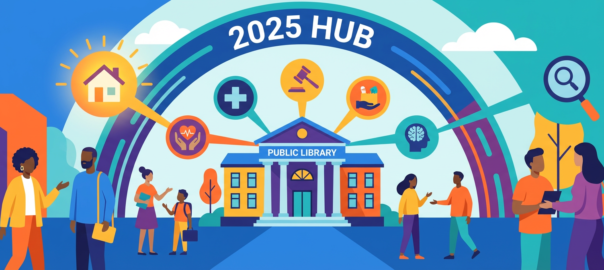
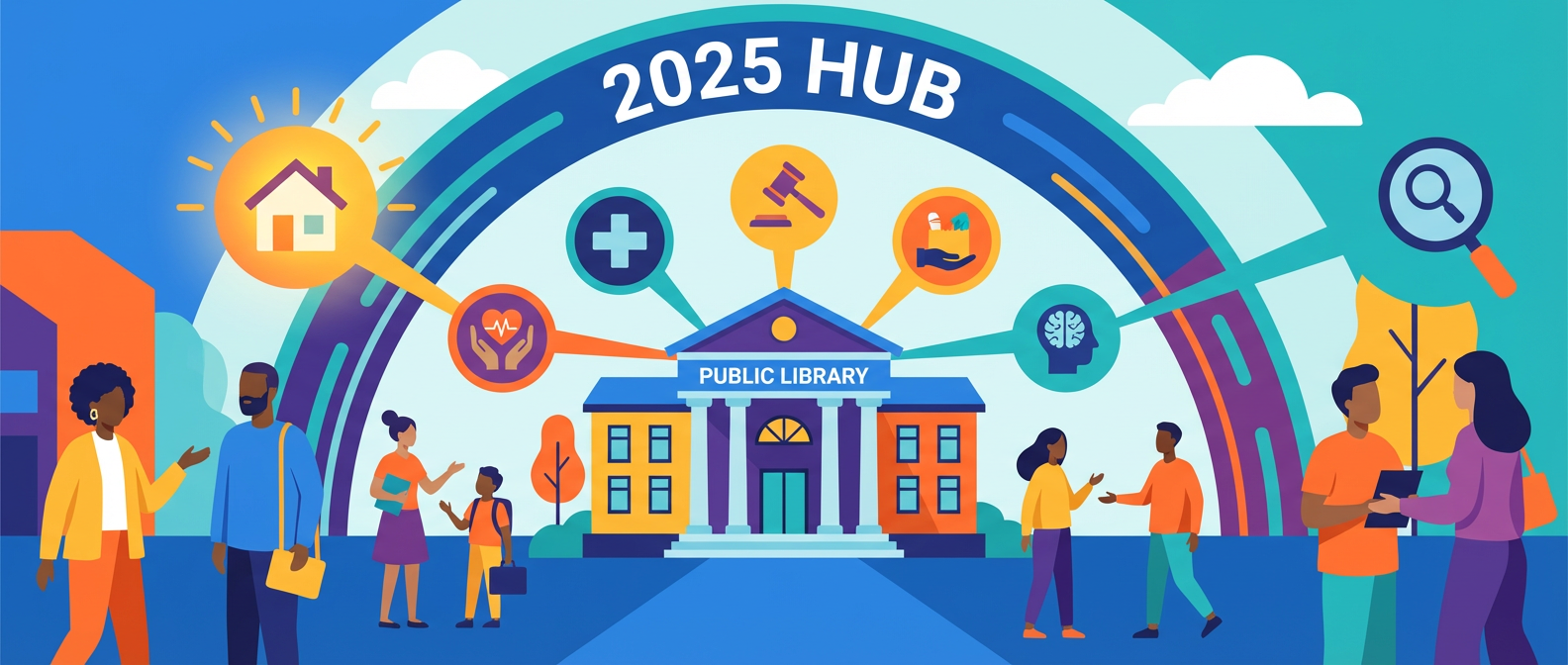
Walk into most public libraries these days and you might see something that would have raised eyebrows a decade ago: a social worker at a desk near the reference section, speaking quietly with someone about housing options. Or a benefits counselor helping a retired teacher navigate Medicare enrollment. These aren’t anomalies anymore. According to the American Library Association 2025 State of Libraries Report, nearly four out of five public libraries across the country now offer social services that go well beyond book lending and story time. Mental health referrals, emergency assistance navigation, job training support, housing counseling.

Your Local Library Is Quietly Becoming a Social Services Hub in 2025 — And Nobody's Sure How to Feel About It
Your Local Library Is Quietly Becoming a Social Services Hub in 2025 — And Nobody’s Sure How to Feel About It

The scale of this shift has accelerated fast. Between 2022 and 2024, library visits specifically for accessing social services jumped 31 percent, according to data from the Urban Libraries Council Research team surveying libraries in major metropolitan areas. That’s not a gradual increase. That’s a real transformation happening while most of us were scrolling past town council agendas.

What’s driving this change? Funding, partly. The Department of Housing and Urban Development allocated approximately $340 million in Community Development Block Grants in 2025 specifically to library-social service partnerships. That’s real money, distributed to libraries willing to become something more than a place to check out novels and use free WiFi.

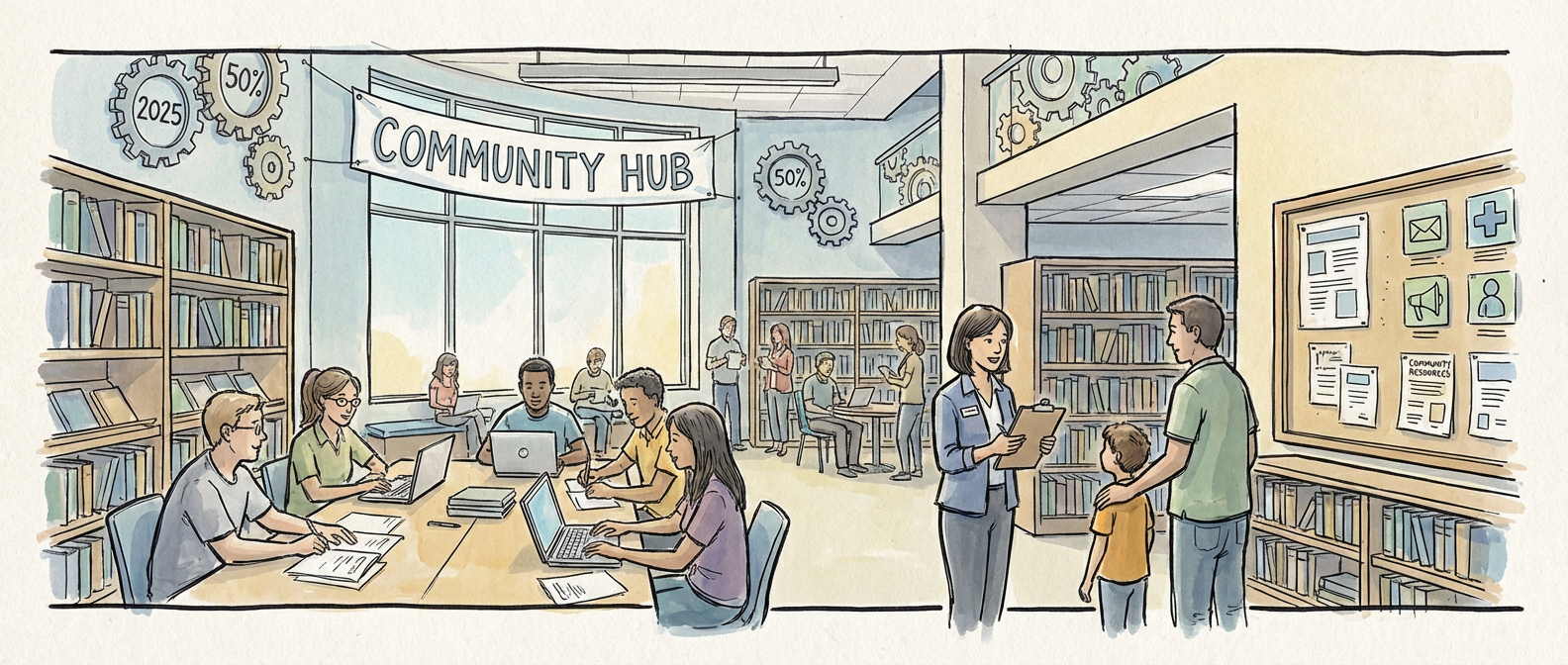
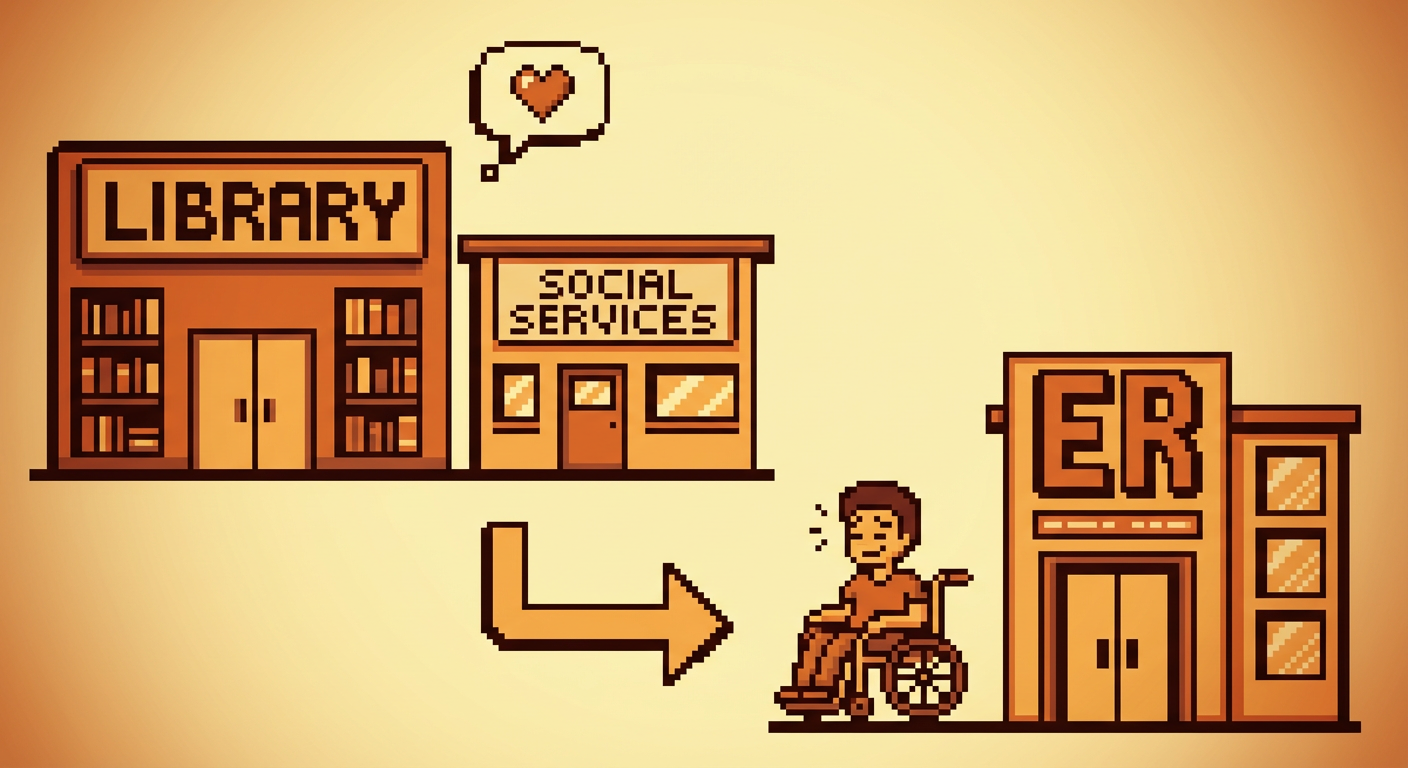
Illustration for Your Local Library Is Quietly Becoming a Social Services Hub in 2025 — And Nobody's Sure How to Feel About It
Illustration for Your Local Library Is Quietly Becoming a Social Services Hub in 2025 — And Nobody’s Sure How to Feel About It

San Diego Built a Model That Actually Works — And Created New Questions

If you want to see what this looks like in practice, look at what happened in San Diego. The public library system there launched a pilot program in 2024 that embedded licensed social workers directly into eight branch locations. Not consultants. Not volunteers. Actual trained social workers with caseloads, sitting in library buildings, available to walk in and talk to without an appointment.

The results from that first year are striking: over 4,200 client interactions and $2.1 million in benefits secured for patrons who otherwise might have spent weeks or months navigating opaque government websites and phone lines. One person got connected to permanent supportive housing after sleeping in her car for three years. Another learned about a government benefits program that retroactively owed him back payments. These are real outcomes, not performance metrics designed to look good in a grant report.

But here’s where it gets complicated, and where reasonable people started disagreeing. Libraries in San Diego, like everywhere else, were already stretched. Branch closures, reduced hours, aging building infrastructure, staff turnover. Adding social worker positions meant either redirecting existing budget or fighting for new funds. The question that librarians, city council members, and community members started asking each other was simple but impossible to answer cleanly: Is this what libraries should be doing, or is this what we’re doing because nobody else will?

The Disagreement Is Actually About More Than Libraries

If you talk to people who are enthusiastic about this shift, their reasoning is straightforward. Libraries already exist in almost every neighborhood. People trust them. There’s no stigma walking into a library the way there is walking into a government building labeled “social services.” A single mother struggling with childcare costs might never call a city benefits hotline, but she’ll go to the library for a free computer to job search. That’s when a trained staff member can say, “Hey, I noticed you mentioned struggling with childcare. Did you know there’s a program that might help?” That’s not intrusive. That’s meeting people where they are.

The people expressing caution aren’t heartless, though sometimes the debate gets framed that way. Their concern is structural. If libraries take on more social services work, what gets cut? Programming for kids? Reference services? Maintenance? And more fundamentally, if we’re relying on libraries to provide mental health counseling, housing navigation, and benefits enrollment, aren’t we admitting that actual social service agencies are underfunded? A library system in a mid-sized city can’t absorb the full weight of housing insecurity or health system failures. At some point, isn’t this just using libraries as a band-aid on a much larger wound?

There’s also a practical concern worth taking seriously. A 2025 RAND Corporation study found something genuinely encouraging: libraries with co-located social services reduced emergency room visits in surrounding areas by about 7 percent among uninsured residents. Preventive care working, basically. But that success creates its own pressure. More people show up. The social workers get overwhelmed. Libraries get asked to do even more. And the fundamental question never actually gets answered: Should they be the ones doing this at all?

What This Means for Your Community — Actually

The reason this matters beyond abstract debate is that decisions about your local library’s future are probably happening right now, in budget hearings and grant applications that most people don’t attend. Your city or county is likely deciding whether to pursue federal funding for social services at the library. They’re deciding whether to hire social workers or redirect existing staff toward this work. They’re deciding whether your library becomes more of a social services hub or stays closer to what it’s traditionally been.

These aren’t small choices, and they deserve input from more than just the regular city council attendees. If you use your library, you should know what’s being proposed. If you work there, you should have a voice in how your job description is changing. If you’re struggling and a library social worker has actually helped you, that matters too, and people should hear about it.

Start by asking your library director what’s being planned. Check your city’s or county’s recent grant applications. Look at how your local library’s budget is actually being spent. These documents exist. They’re public. The disagreement about whether libraries should be doing this work is legitimate and worth having, but it’s only worth having if we’re actually looking at what’s happening instead of assuming we know.

What Happens Next Is Up to More Than Just Administrators

The data is clear: libraries are already providing social services at scale. The question now is whether that’s deliberate, well-funded, and designed with input from the people it affects, or whether it’s just happening because both libraries and the people they serve are desperate. There’s a real difference between choosing to transform your library and watching it happen anyway because the need is too visible to ignore.

If you’ve got thoughts about what your library should be, or if you’ve seen this work in action, bring that to the conversation. Talk about it with neighbors. Show up to a library board meeting. Read the budget documents. Ask hard questions of the people making decisions. Disagree respectfully with people who see things differently. This is exactly the kind of civic decision that works better when more people are actually paying attention.

The 15-Minute City Debate Came to Your Planning Commission — Here’s What’s Actually Happening

The Conspiracy Theory That Became Local Politics

If you’ve been scrolling through community Facebook groups or noticed heated comments on your city council’s public calendar, you’ve probably encountered the 15-minute city debate. It arrived quietly, then suddenly it was everywhere. What started as a reasonable urban planning concept — the idea that people should be able to access essential services within a short walk or bike ride — somehow transformed into something many Americans believe is a surveillance plot.

Here’s where things stand: a 2025 Pew Research Center survey found that 41% of American adults had heard of the 15-minute city concept. That’s a lot of people. But only 19% of those people could actually define it accurately. That gap matters because it shapes what happens when these ideas hit your planning commission agenda. You end up with passionate people debating something that may not be what they think it is.

This isn’t about dismissing concerns. Legitimate questions exist about density, gentrification, property taxes, and how neighborhoods change. The problem is that conspiracy narratives about forced relocation and government control got folded into those real questions, and now they’re tangled together in municipal meeting transcripts across the country.

Why Portland Keeps Coming Up at Your City Council Meetings

You’ve probably heard Portland mentioned. If not at your planning commission, then somewhere in local planning circles. Portland, Oregon launched its 20-Minute Neighborhoods Plan in 2025 and it became the reference point for everything. According to Planetizen’s tracking of municipal proceedings, Portland’s plan was cited in over 200 planning commission debates across the country in 2025 alone. Some people cited it as a model. Others cited it as a warning.

That matters because it means local debates aren’t always about your actual neighborhood. They’re partly about how cities interpret Portland’s choices. Did Portland prioritize density? Yes. Did that mean gentrification? In some neighborhoods, yes — though that’s complicated and local. Did it make neighborhoods more walkable? Also yes. The point is that reference points shape how conversations happen in places they never happened before.

When your planning commission discusses zoning changes or pedestrian infrastructure, someone in the room is probably thinking about Portland, whether that’s mentioned or not. It’s useful to know that because it helps you understand what layer of the conversation is actually local and what’s borrowed anxiety from somewhere else.

What People Actually Want (And What the Data Says)

This is where the conversation gets interesting. A 2025 Community Preference Survey from the National Association of Realtors found that 79% of respondents, including suburban homeowners, rated walkability to daily errands as either very important or important. Seventy-nine percent. That includes people who might actively oppose 15-minute city language in a municipal meeting. People want to walk to grocery stores and pharmacies. They want their kids to be able to bike to school. These aren’t fringe preferences.

A University of Oregon study from 2025 looked at actual walkable neighborhoods and found something else: neighborhoods that met 15-minute city criteria had median home values 22% higher than car-dependent equivalents in the same metro areas. Home values were higher. Car ownership was 15% lower. Those are real, concrete outcomes, separate from ideology.

So here’s the real tension. Many people want walkable neighborhoods and are willing to pay more for them. But the language around 15-minute cities sometimes gets coded as anti-car, or as an attack on car-dependent communities and suburban life generally. That’s where resistance hardens. It’s not that people don’t want walkability. It’s that they’re hearing it as a threat to the life they’ve chosen.

How This Plays Out in Municipal Proceedings

Between 2024 and early 2026, fourteen U.S. counties passed anti-15-minute city resolutions. Most were in Tennessee, Texas, and Florida. You can track these through the Sightline Institute 15-Minute City Policy Tracker. What’s worth noticing is where these resolutions pass and where they don’t. They tend to concentrate in counties where the concept got framed as something being imposed from outside, rather than something local people were asking for.

That tells you something useful about your own planning commission meeting. If you want actual change around walkability and land use, whether that involves incremental density, mixed-use zoning, or better pedestrian infrastructure, the framing matters enormously. If people believe you’re implementing a policy handed down from some national movement, you lose them. If you’re responding to their actual stated preference for walkable neighborhoods, you’re working with different terrain.

The best local planning conversations aren’t happening around 15-minute city rhetoric. They’re happening in municipalities where planners are quietly improving zoning codes, filling missing middle housing gaps, and improving pedestrian access to transit without calling it a movement. When you look at Planetizen Planning News and Commentary, the successful projects are often the ones that don’t need the language at all.

What You Can Actually Do About This

If you care how this plays out in your community, start with your planning commission agenda. Not next month. Right now. See what’s actually coming up. Is it zoning amendments? Mixed-use development? Pedestrian infrastructure? The concrete proposals matter more than the philosophy behind them.

When you show up to meetings, focus on specifics. What would actually change? Who would it affect? What happens to property taxes, commute times, traffic patterns? These are legitimate questions worth asking, and they’re different from asking whether something is a global conspiracy. You get better answers and better decisions when you ask concrete questions.

Read the background materials. Check whether your city council actually uses 15-minute city language or whether that’s something opponents introduced. Look at what’s working in comparable neighborhoods in your metro area. Talk to your neighbors about what they actually want, not what they fear.

The 15-minute city debate landed in American suburbs because suburbs are where land use policy gets made. Your planning commission meeting is ground zero because that’s where decisions happen. You can shape what happens there by showing up informed and specific. That’s not heroic. It’s just how it works.

The Traffic Camera Debate Your City Needs to Have Right Now

Why Your City Is Probably Installing These Right Now

If you’ve noticed new gray boxes mounted on poles near your local school, on residential streets, or at intersections, you’ve spotted something that’s happening in 26 American cities as of early 2026. These are automated speed enforcement cameras, and they’re becoming the most visible piece of how cities are trying to prevent traffic deaths. The logic is straightforward: speeding kills pedestrians, especially children. Cameras catch speeding, issue fines, and theoretically make drivers slow down. It sounds simple because the problem it’s trying to solve is genuinely urgent and real.

The Traffic Camera Debate Your City Needs to Have Right Now

The strongest evidence for their impact comes from New York City’s expansion in 2025. The city retrofitted its school zone camera network, and in the program’s first full operational year, it documented a 12 percent reduction in pedestrian fatalities specifically in those monitored zones, compared to a citywide reduction of just 3 percent. Traffic safety advocates point to that gap constantly, and honestly, it’s hard to argue with. Those cameras also issued over 15 million violations that year. That number sounds abstract until you think about what it means: either millions of drivers are speeding in school zones, or the enforcement threshold is catching behavior that wasn’t previously being penalized at all. Probably both.

Illustration for The Traffic Camera Debate Your City Needs to Have Right Now

The Equity Problem That Nobody Wants to Admit Exists

Here’s where it gets complicated in a way that matters for your wallet and your neighborhood. A 2025 analysis from Brookings Institution looked at speed camera programs in three major cities: Chicago, Portland, and Houston. They tracked where the cameras were installed, then mapped where the fines were actually coming from. The result was uncomfortable. The vast majority of fine revenue came from neighborhoods where the median household income was below $45,000. This isn’t accidental. It’s the predictable result of how these programs get deployed.

Think about where cameras typically get installed. They go in neighborhoods with documented speeding problems, which often means lower-income areas with wider streets, less traffic calming infrastructure, and more through-traffic. Then a resident making $35,000 a year gets a $50 speeding ticket, and that’s a real problem in their monthly budget. A resident making $85,000 a year gets the same ticket and it registers as an annoyance. Over time, a revenue-generating enforcement tool becomes a regressive tax on specific neighborhoods. This is the equity argument that traffic safety advocates and police accountability advocates actually agree on, which is rare enough to be worth paying attention to.

The Surveillance Question That Goes Beyond Traffic

Now let’s talk about something that might make you uncomfortable, because it should. The ACLU Street-Level Surveillance Project released a report in 2025 documenting what happens after these cameras get installed. In 14 different cities, law enforcement accessed traffic enforcement camera footage for investigations that had nothing to do with traffic violations. A theft nearby. A missing person. A protest. Within 18 months of installation, footage was being used for purposes the original camera deployment was never supposed to support, and in most cases, it happened without any new legislative authorization or public debate.

This matters because the justification for the cameras was always specific: they’re for traffic safety. Once infrastructure is in place, though, the scope of its use tends to expand. It’s not usually malicious. It’s bureaucratic. A detective has a tool available and it seems reasonable to use it. But reasonable individual decisions, made repeatedly across many departments, add up to something that looks a lot like a surveillance network. That’s worth being clear-eyed about before your city installs them, not after.

What Cities That Went First Actually Learned

Here’s the actually useful part. Cities that have been running these programs for a few years now have learned something that should shape how your city deploys them. The Vision Zero Network Resources and City Data released a 2026 survey comparing outcomes across multiple municipalities. Cities that combined automated enforcement with actual street design changes reduced traffic fatalities 34 percent faster than cities that relied on cameras alone. What does that mean in practice? Narrowing lanes so speeding feels uncomfortable. Adding raised crosswalks. Installing traffic signals that give pedestrians a head start. Redesigning intersections so the geometry itself slows traffic down.

The implication is clear: cameras work, but they work best as one tool in a larger strategy, not as a substitute for it. A city that installs cameras and then calls it done has solved maybe half the problem. A city that installs cameras while also redesigning streets solves it much faster. If your city is talking about cameras without talking about street redesign at the same time, that’s a question worth asking at a council meeting. It’s not about being anti-safety. It’s about being pro-effectiveness.

What You Can Actually Do About This

If your city hasn’t installed these cameras yet, you have time to shape how they’re deployed. If they’re already up, you can still influence how they’re used. The first step is unsexy but essential: read the city council minutes and traffic safety committee notes. Most cities publish public comments and voting records. You want to know whether your city is planning enforcement-only deployment or if they’re committing to the street design piece at the same time. You want to know whether there’s any discussion of equity and geographic fairness in where cameras are placed. You want to know if there’s any legal framework limiting when and how law enforcement can access the footage.

The second step is to talk to your neighbors and to people in neighborhoods where cameras are most likely to be installed. In many cities, that’s lower-income areas and communities of color. Those residents have legitimate concerns about both the safety benefits and the equity impacts. Their perspective matters in the actual policy design, not just as an afterthought. Connect with local civic groups or your neighborhood association and make this a conversation rather than something that just happens one day.

This isn’t about being anti-technology or anti-safety. Traffic deaths are real and preventable, and that matters. This is about being clear-eyed about what tools actually work, who bears the costs of enforcement-heavy approaches, and what happens to infrastructure once it’s installed. Your city is probably making these decisions right now. The difference between a camera deployment that actually makes streets safer and one that just generates revenue from people who can least afford to pay it comes down to whether you and your neighbors show up before the decision gets made. That’s the part they’re not going to tell you unless you ask.

The 15-Minute City Debate Is Tearing Local Communities Apart — Here’s What the Research Actually Shows

The Concept Everyone’s Fighting About (And Not Really Understanding)

You’ve probably heard the term “15-minute city” by now. Maybe at a city council meeting. Maybe in a heated Facebook argument. Maybe in a text from your neighbor with three question marks and a concerned emoji. The idea is straightforward enough: urban neighborhoods designed so that most daily essentials—groceries, healthcare, schools, parks, employment—are accessible within a 15-minute walk, bike ride, or transit trip. It sounds reasonable. It also somehow started a culture war.

The 15-Minute City Debate Is Tearing Local Communities Apart — Here's What the Research Actually Shows
The 15-Minute City Debate Is Tearing Local Communities Apart — Here’s What the Research Actually Shows

The irony is that this isn’t new thinking. Planners have been talking about walkability and mixed-use neighborhoods for decades. Paris formalized the concept under Mayor Anne Hidalgo, and it worked well enough that cities across North America took notice. At least 12 U.S. cities including Detroit, Austin, and Denver have now formally adopted or are testing these zoning frameworks. Something about putting a name to the idea, though, seemed to flip a switch in the public conversation.

What we’re seeing now isn’t just disagreement about urban planning. It’s a genuine fracture over what cities should be, who gets to decide that, and whether dense, walkable neighborhoods represent progress or a loss of freedom. The research tells us something, but so does the fact that 38% of Americans who have heard of the concept immediately think “conspiracy theory” rather than “zoning policy.” That gap between what experts know and what communities believe is where the real story lives.

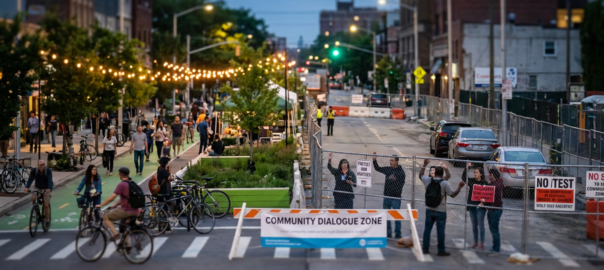
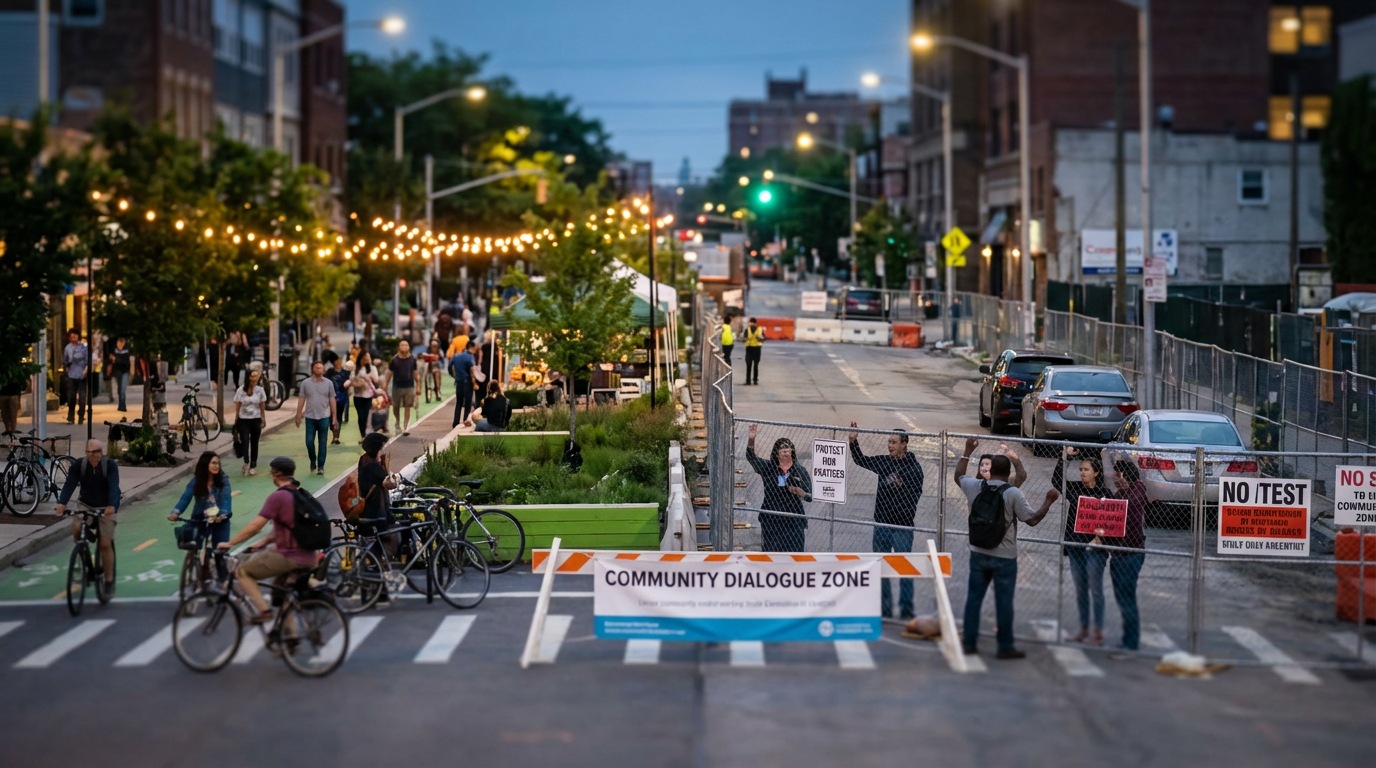
Illustration for The 15-Minute City Debate Is Tearing Local Communities Apart — Here's What the Research Actually Shows
Illustration for The 15-Minute City Debate Is Tearing Local Communities Apart — Here’s What the Research Actually Shows

What the Data Actually Shows (The Part Nobody Argues About)

Let’s start with the stuff that’s hard to argue with, at least on technical grounds. A 2025 study from MIT’s Urban Mobility Lab examined neighborhoods redesigned under 15-minute city principles and found residents reported a 22% reduction in weekly car trips. They also saw a 19% increase in local business revenue. Those are real numbers from real places, and they suggest the model works as advertised for its core promise: making neighborhoods more walkable while supporting local commerce.

Portland, Oregon has been running their 20-Minute Neighborhood initiative long enough to measure outcomes. Their Bureau of Planning and Sustainability released a 2025 report showing residents cut their average commute time by 8 minutes per day. Eight minutes doesn’t sound dramatic until you think about it annually—that’s roughly 40 hours a year people aren’t sitting in traffic. Multiply that across a city and you’re talking about real time, real money, and real environmental impact. The Portland Bureau of Planning 20-Minute Neighborhood Initiative gives you the full breakdown if you want specifics.

Here’s where it gets interesting though. These positive outcomes coexist with legitimate concerns about displacement, affordability, and implementation. The data shows that the concept works. It doesn’t show that every city should adopt it the same way, or that cities that do are automatically handling the equity issues correctly. That distinction matters more than most debates acknowledge.

Why Smart People Disagree (And Why It’s Not Just Politics)

The 15-minute city debate isn’t splitting along the simple lines you might expect. Sure, there’s a predictable left-right element. But you also find environmentalists worried about gentrification, libertarians supporting neighborhood-scale autonomy, conservatives concerned about government overreach, and progressives frustrated that the conversation got hijacked by conspiracy theories instead of focusing on real implementation challenges.

A YouGov poll from October 2025 found that 41% of Americans had heard of the concept. Of those, 38% associated it primarily with conspiracy theories rather than actual urban planning. That’s not a failure of the concept—it’s a failure of how the conversation happened. Somewhere between the planning documents and the public, the narrative got captured by people talking about “15-minute prisons” and surveillance states. Legitimate concerns about density, parking, and neighborhood character got mixed in with frankly unhinged speculation, and now reasonable people feel they have to choose between endorsing conspiracy or being labeled anti-environment.

The structural reason for this disagreement is that 15-minute cities require fundamentally different zoning. That means allowing more housing types in more places. It means small businesses operating at street level instead of isolated in commercial strips. It means some people’s backyards and neighborhood character change whether they want that or not. Those aren’t small things. They’re the bones of how people live. The fact that research shows these changes work doesn’t mean individual communities are wrong to negotiate carefully about what that looks like for them specifically.

What’s Actually Growing Out There

The Congress for the New Urbanism 2025 Annual Report documented that mixed-use zoning applications increased 28% nationally compared to 2023 levels. That’s a lot of cities moving toward these principles, even if they’re not all calling it a “15-minute city.” Some communities are approaching it through incremental neighborhood improvements. Others are doing serious rezoning. Most are doing both, which means negotiating between what planners recommend and what existing residents will actually accept.

Adoption isn’t monolithic, either. Detroit’s approach differs from Austin’s differs from Denver’s. Some cities are adding density gradually. Others are preserving existing single-family neighborhoods while opening up specific corridors. Some are genuinely listening to concerns about displacement and building in affordability requirements from the start. Others are doing it backwards and dealing with community backlash later.

The pattern emerging from early implementations is that the concept itself is sound, but the execution matters enormously. A 15-minute city that prices everyone out and replaces local businesses with chains isn’t actually a 15-minute city—it’s gentrification with better walkability. A 15-minute city built without genuine community input, one that treats neighborhood concerns as obstacles rather than information, is likely to face the kind of resistance we’re seeing now.

What This Means for Your Actual Community

Here’s where I’d push back gently on the polarized version of this debate. The research shows the concept works. The controversy shows that implementation matters more than the idea itself. Your community doesn’t have to adopt everything wholesale or reject it entirely. You get to ask hard questions about what density looks like, who benefits, who bears the costs, and whether the planning process actually includes the people who live there now.

If your city is exploring this, read the actual proposal instead of just the headlines. Go to the planning meetings. Ask about affordability protections, transit investment, and how existing businesses will be supported during transition. These questions aren’t anti-progress. They’re the work of a community taking its own future seriously. The cities doing this well are the ones where residents and planners actually talked to each other before deciding what the neighborhood should become.

The 15-minute city debate feels like a culture war because somewhere along the way, the conversation became about beliefs instead of evidence and tradeoffs. But underneath the controversy is a genuine question: What do we want our neighborhoods to be, and who gets to decide? That’s worth discussing carefully, locally, and with people who live differently than you do. The data can help guide that conversation. It just can’t make the decision for you.

Your Public Library Just Became a Social Services Hub — And Nobody Told You

The Shift That Happened While We Were Looking Elsewhere

Three years ago, if you walked into your local library looking for help with a mental health crisis, a housing application, or job training, you would have gotten polite directions somewhere else. Today, that same librarian might hand you a pamphlet for local clinics, connect you with a benefits counselor, or refer you to a social worker embedded in the building itself. This is not a small change. This is a fundamental rearrangement of what public libraries do, why they matter, and who gets to use them as an anchor when everything else is moving too fast.

Your Public Library Just Became a Social Services Hub — And Nobody Told You

The numbers tell the story clearly. According to the American Library Association State of America’s Libraries 2025, three-quarters of public libraries now offer at least one social service that would have been completely foreign to library operations a decade ago. Mental health referrals. Benefits enrollment assistance. Job training programs. Harm reduction services. These are not fringe experiments or pilot projects in progressive cities anymore. They are becoming standard practice across urban branches, suburban systems, and rural library networks trying to serve communities that need them most.

Illustration for Your Public Library Just Became a Social Services Hub — And Nobody Told You

What We Lost When Libraries Became Everything to Everyone

Let’s be direct about what this shift costs. Libraries used to have a clearer job. You went there to borrow books, research something, sit in air conditioning for free, or use a computer when you didn’t have one at home. There was a particular kind of refuge in that simplicity. You didn’t have to explain your life story. You didn’t have to prove you deserved to be there. You just showed up, and the library had a space for you. That function hasn’t disappeared, but it has gotten much harder to protect when the same staff and resources are now managing addiction crises, navigating bureaucratic systems, and providing crisis intervention.

The library that becomes everything risks becoming nothing particularly well for anyone. A librarian trained to help with résume writing is now also trained to recognize signs of homelessness or substance use disorder. They are trusted with far more intimate information than they were five years ago. The quiet reading room gets busier because libraries are now actively marketing themselves as places to access services people desperately need. That community function is real and necessary, but it does change the texture of the space itself. Some of what made libraries uniquely valuable — the simplicity, the no-questions-asked nature of entry — gets complicated when the institution becomes a gateway to social services.

Where the Money Is Going and What It Tells Us

The federal government is bankrolling this transformation. The Institute of Museum and Library Services Grant Programs awarded $282 million in fiscal year 2025, with a record 31 percent of those funds specifically directed toward libraries functioning as community resilience centers. That is not accidental. That is policy. Libraries are being funded by the federal government as infrastructure for addressing social problems that would otherwise fall entirely on crisis management systems, nonprofits, and overwhelmed local governments.

Consider Denver. When Denver Public Library embedded licensed social workers directly in branch locations starting in 2018, it was testing an idea that seemed radical then. By 2024, those social workers had handled over 14,000 patron interactions at library branches. That is 14,000 times someone walked into a library expecting to borrow a book or use a computer and instead found qualified help navigating their immediate crisis. That model works. It produces measurable outcomes. It also means that Denver’s library system is now operating as a de facto mental health intervention site, which is absolutely necessary and also a clear indication of what other systems are failing to do.

The Numbers Show People Are Already Voting With Their Feet

The most telling statistic emerged from a 2025 Pew Research Center survey. Sixty-five percent of Americans visited a public library in the past year. But here is the shift: 28 percent of those visitors cited social services or community programming as their primary reason for coming. In 2016, that number was 11 percent. People are not replacing book borrowing with social service access. They are adding services to their reasons for showing up. The library is becoming the place you go when you need help that is free, local, and not wrapped in the shame or bureaucracy of other systems.

San Francisco’s library system offers perhaps the most concrete example of this transformation in action. Since implementing a harm reduction partnership with local health agencies in 2023, library branches have distributed over 1.2 million naloxone doses. That is not a library function in any traditional sense. That is a public health intervention happening at a community anchor institution because the traditional public health system does not have the reach or the footprint. A library user recovering from addiction can access lifesaving medication at the same place they borrow audiobooks. Both functions matter. Both reflect different needs in the same community.

What This Means for What Comes Next

The transformation is real and it is accelerating. Three-quarters of libraries now offer services that were unthinkable as library business five years ago. That is not a trend that reverses itself easily. The money flowing toward these programs is structured as long-term funding for community resilience, not temporary grants. The people using these services are showing up in numbers that have grown steadily since 2016. The system is adjusting to meet need where it exists, even if that means libraries become something different than they were.

The loss is real. Some of what made libraries simple and accessible does get complicated when they become social service hubs. The quiet spaces get louder sometimes. The purpose gets harder to articulate in a single sentence. The staff expertise required expands from information science into crisis intervention and resource navigation. That is not nothing. It matters that we notice what we are trading away, even as we recognize what we are gaining. A library that can connect someone in crisis with a social worker, benefits counselor, and job training program is doing essential work that nothing else in the community might do.

If you have not visited your local library in a while, go talk to the staff. Ask them what they are offering now that was not on the menu five years ago. Find out whether they have social workers, mental health resources, or job training. Understand what your library is becoming and whether that aligns with what your community actually needs. Libraries are responding to genuine crises and real gaps in how we care for each other. The shift is worth understanding, worth supporting, and worth thinking carefully about, because it reflects where we are and what we have decided matters most.

Community Land Trusts Are Having a Moment: What the 2025 Housing Data Tells Us About This Old Tool for New Times

The Numbers Tell a Story We Need to Hear

If you’ve been scrolling through housing news lately, you might have noticed something unexpected breaking through the doom-scroll: community land trusts are everywhere. Not everywhere in the way coffee shops are everywhere, but everywhere in the way a quiet movement suddenly becomes impossible to ignore. The data from 2025 confirms what housing advocates have been quietly building toward for decades. According to Grounded Solutions Network Community Land Trust Data, there are now over 330 active community land trusts operating across the United States. That’s a 40 percent jump in just five years. To put that in perspective: this growth accelerated after the 2022 Inflation Reduction Act unlocked federal HOME Investment Partnership Program funding specifically designated for community development. Translation: Washington finally noticed what local organizers have known all along.

Community Land Trusts Are Having a Moment: What the 2025 Housing Data Tells Us About This Old Tool for New Times

The federal government took note too. The Biden administration’s FY2025 budget set aside $35 million specifically for CLT capacity building through HUD’s Office of Community Planning and Development. That might sound like bureaucratic jargon, but it’s actually historic. This is the first time Congress has written a dedicated federal line item for community land trusts. Someone sat in a budget meeting and decided that this particular tool for keeping people housed deserves the same kind of institutional support we give to highways and military installations. That matters.

Illustration for Community Land Trusts Are Having a Moment: What the 2025 Housing Data Tells Us About This Old Tool for New Times

What Actually Happens When a CLT Buys Your Neighborhood

Let’s make this real. In Atlanta’s Westside, the Westside Future Fund community land trust closed on 200 homes in 2024. Those homes sold for an average of $142,000 each. In the same neighborhood, comparable properties through conventional sales channels moved for around $380,000. That’s not a typo. That’s a difference of $238,000 per home. For families making $40,000 to $60,000 a year, that difference isn’t abstract. It’s the difference between generational stability and displacement. It’s whether your kids stay in the school they know or whether you’re packing boxes in the middle of the year.

Here’s how it works in practice: the CLT buys the land underneath the house. You buy the house itself. You own the building, the structure, the walls where your family has its life. The CLT holds the land permanently, which means forever. When you sell, the CLT has the right of first refusal. When the next person buys, they buy at an affordable price too. The land stays affordably priced not because someone is subsidizing it indefinitely, but because the model is built to sustain itself. It’s elegant in the way that good policy is elegant: it solves the problem at its root instead of just putting a band-aid on it.

The Foreclosure Numbers That Change the Conversation

One of the most revealing statistics from the 2025 housing data involves what happens when crisis hits. When interest rates spiked in 2023 and 2024, families everywhere faced impossible choices. Pay for heat or pay the mortgage. Pay for medicine or pay the mortgage. Conventional low-income homeowners faced a foreclosure rate of 2.8 percent during that period. That might not sound catastrophic until you do the math: nearly 3 out of every 100 low-income families lost their homes. For CLT homeowners during that same period, the foreclosure rate was 0.5 percent. That’s Lincoln Institute of Land Policy CLT Research data, and it tells us something crucial: this model doesn’t just create housing stability in good times. It creates resilience in the hard times.

The reason is partly structural. Your mortgage payment is calculated only on the price of the building, not the land underneath. That lower purchase price means lower monthly payments, and lower monthly payments mean there’s actually money left in the budget when emergencies happen. When you’re living paycheck to paycheck, that cushion is survival. The other part is cultural. CLTs have community accountability built in. There’s usually a board of locals who understand what’s happening in your neighborhood because they live in it. When families struggle, CLTs are more likely to work with you on modifications, forbearance agreements, or temporary arrangements rather than moving straight to foreclosure.

The Neighborhood Effect: When CLTs Reach Critical Mass

Here’s where it gets really interesting. Individual CLT homes create stability for individual families. But something else happens when a CLT program reaches a certain scale. When cities have CLT programs covering at least 500 units, the Urban Institute found measurable differences in neighborhood stability itself. In those neighborhoods, the displacement of long-term residents in gentrifying areas slowed significantly compared to neighborhoods relying only on inclusionary zoning policies or other tools. The same neighborhoods where we used to watch long-time residents pack up and disappear suddenly stabilized.

This matters because housing policy often feels like we’re choosing between two bad outcomes: either we restrict housing development entirely and make affordability worse, or we allow market forces to work and watch communities dissolve. CLTs at scale offer a third path. Development can happen. Neighborhoods can improve. New people can move in while old-timers stay. These things can happen together instead of at each other’s expense. It’s not magic. It’s just what happens when the tool is designed right and funded adequately.

What This Means for Where You Live

If you’re reading this and thinking about your own neighborhood, your own kids’ school, your own aging parents’ place in the community where they built their life, the question becomes practical: does your city have a CLT? If not, why not? If yes, is it funded adequately? Is it reaching the people who need it most? These aren’t abstract questions for housing nonprofit conferences. They’re questions worth asking at city council meetings, worth bringing up with your council member over coffee, worth organizing around with neighbors who feel the same way.

The 2025 data shows us that this tool works. It works in Atlanta and it works in hundreds of other places. Federal funding exists now. Political permission exists. What’s needed is local will. That comes from people who care about their neighborhoods enough to show up, ask questions, and push for what’s possible. If you’ve watched families leave because they couldn’t afford to stay, if you want your neighborhood to change without erasing the people who live there, this is worth your attention. Worth a Saturday morning meeting. Worth reading the council minutes.