The Numbers Don’t Tell the Whole Story
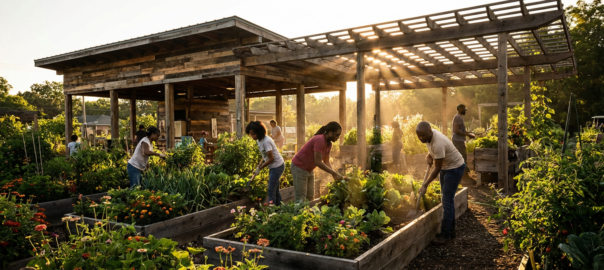
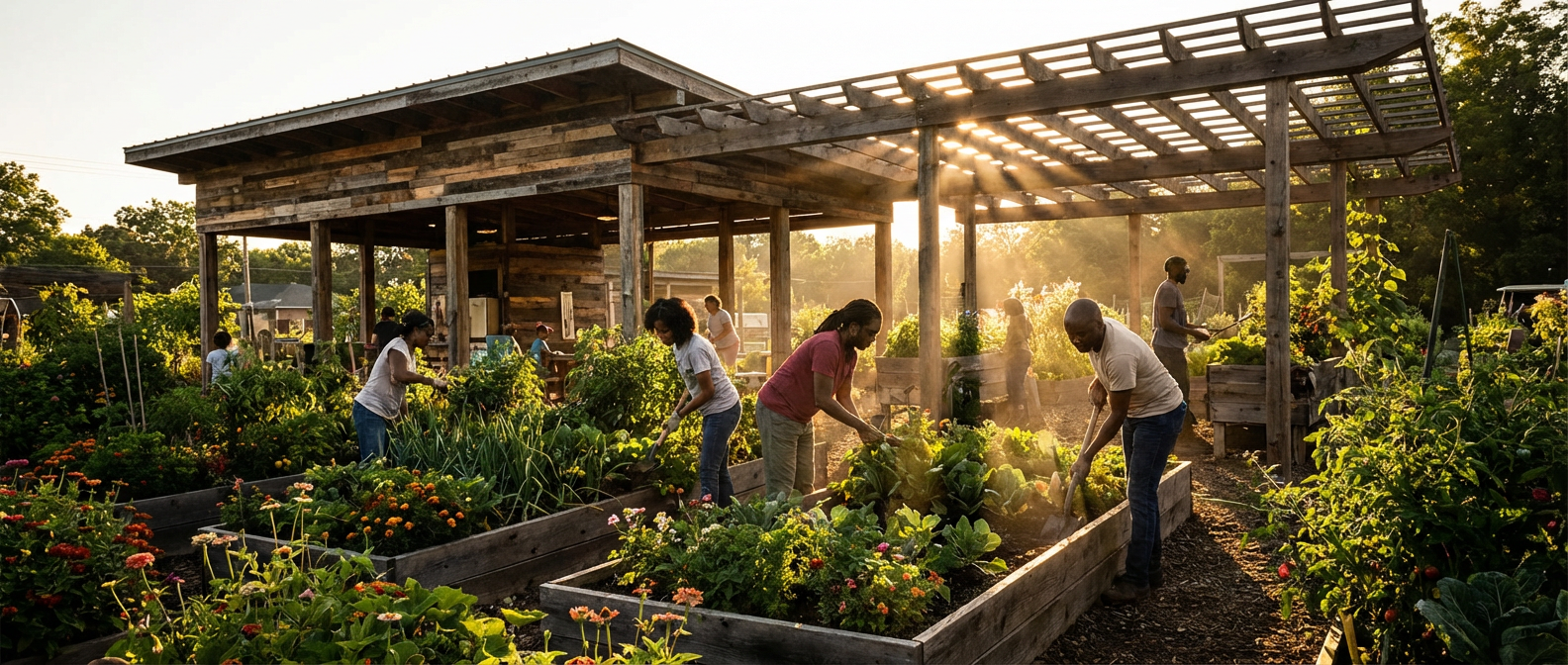
When the city sold the lot at Maple and Third to a developer last spring, the official announcement mentioned that Hillcrest Community Garden had “approximately 40 families” over its eight-year run. What those numbers didn’t capture was Maria Santos teaching her neighbor how to properly stake tomatoes every Tuesday evening. Or the informal childcare network that sprang up around weekend workdays. Or the fact that three different families learned enough about soil remediation to tackle the contaminated lots behind their own houses.
I pulled the usage logs from the garden’s last two years. The data shows something interesting: while plot rentals stayed relatively stable, the number of people regularly using the space nearly doubled. Hillcrest had grown beyond individual garden plots into something the city planning documents never quite captured.
The loss isn’t just about vegetables, though the food production was real. Last season, plot holders logged over 2,300 pounds of produce. For context, that’s enough fresh food to supply a family of four for about six months, spread among households where grocery bills matter deeply.

Infrastructure That Worked Differently
What made Hillcrest function wasn’t the raised beds or the tool shed, though both got plenty of use. The real infrastructure was less visible. Every Thursday, the same cluster of people would arrive around 6 PM to tackle maintenance tasks together. They developed an informal rotation for the labor-intensive work and a completely organic mentorship structure where experienced gardeners would quietly guide newcomers through their first season.
The garden had three working rain barrels, a composting system that actually processed kitchen scraps efficiently, and a seed-sharing library housed in a repurposed filing cabinet. But the most valuable infrastructure was the communication network. When someone’s basement flooded, when a family needed temporary childcare, when anyone had surplus zucchini or was looking for work, information moved through the garden community faster than through any neighborhood app.
This wasn’t accidental. Gardens create regular, low-pressure opportunities for people to interact across lines that usually divide neighborhoods. You end up having real conversations with people whose kids go to different schools, who work different shifts, who you might never encounter otherwise.
Skills That Don’t Transfer Easily
The city’s consolation offer was additional plots at Riverside Garden, about two miles east. That misses how place-specific garden knowledge actually is. The microclimate around Maple and Third, shaped by the surrounding buildings and that large oak tree, required particular strategies. Hillcrest gardeners had spent years figuring out which varieties thrived in that specific morning shade, how to manage drainage in the southwest corner, when to plant what based on local conditions.
More importantly, they had developed collective expertise around urban soil management. The original lot had typical city problems: compacted earth, questionable contamination history, and drainage issues. Over eight years, gardeners systematically improved soil quality through testing, amendments, and careful composting practices. They documented what worked and shared techniques informally.
You can’t just relocate these skills. The soil chemistry is different at Riverside. The water access, sun patterns, and wind exposure all require starting over. Several former Hillcrest families tried to continue gardening at the new location, but most didn’t make it through the first season.
Decision-Making Processes We’re Still Learning From
Hillcrest operated under a modified consensus model that actually worked, which is rarer than it should be. Major decisions went through a process that balanced individual autonomy with collective responsibility. Plot holders could make independent choices about what to grow and how to manage their space, but decisions affecting shared resources or the garden’s relationship with the broader neighborhood required group input.
They handled conflict directly and practically. When disputes arose over water usage, tool maintenance, or guest policies, the established process was transparent and focused on solutions rather than blame. This wasn’t because everyone always agreed, but because they had developed working methods for handling disagreement.
The garden also pioneered a sliding-scale fee structure that worked. Plot rental costs were adjusted based on household income, with higher earners subsidizing reduced rates for families with limited resources. The system was administered quietly and effectively, without creating stigma or administrative burden.
What Actually Replaces This Function
The developer’s community amenities include a fitness center and a rooftop deck with grilling stations. These have their place, but they operate differently. Fitness centers don’t typically generate the cross-generational interaction that happens when families garden together. Rooftop grilling is social, but it doesn’t create the kind of ongoing collaboration required to maintain shared growing space.
The city council is currently reviewing proposals for three new community garden sites, which represents genuine progress. But starting from scratch means rebuilding not just growing infrastructure, but also the social systems that made Hillcrest effective. That takes time and intention.
There are ways to transfer some of this knowledge. Former Hillcrest gardeners are involved in planning conversations for the new sites. The composting and conflict resolution processes have been documented and shared with other garden groups. The sliding-scale fee model is being adapted by gardens in neighboring cities.
The broader question is whether we can learn to recognize these kinds of community assets before we lose them. Not every community garden deserves preservation, but the ones that develop effective models for shared decision-making, skill transfer, and inclusive access represent years of social innovation that’s difficult to replicate.
If you’re interested in how the new garden site planning is progressing, the Parks and Recreation Committee meets the second Wednesday of each month at 7 PM in City Hall’s basement conference room. The October agenda includes updates on soil testing and community input sessions. Or if you want to dig deeper into how Hillcrest’s systems worked, I have copies of their governance documents and can connect you with people who helped develop their processes.