Start Where You Are, With What You Have
Last month, I watched a neighbor turn her frustration about speeding cars into a speed bump. Not through angry Facebook posts or passive-aggressive yard signs, but by showing up to three city council meetings with a clipboard full of signatures and accident data from our street. The process took four months, cost her maybe twenty hours of work, and now my kids can bike to school without me holding my breath every morning.
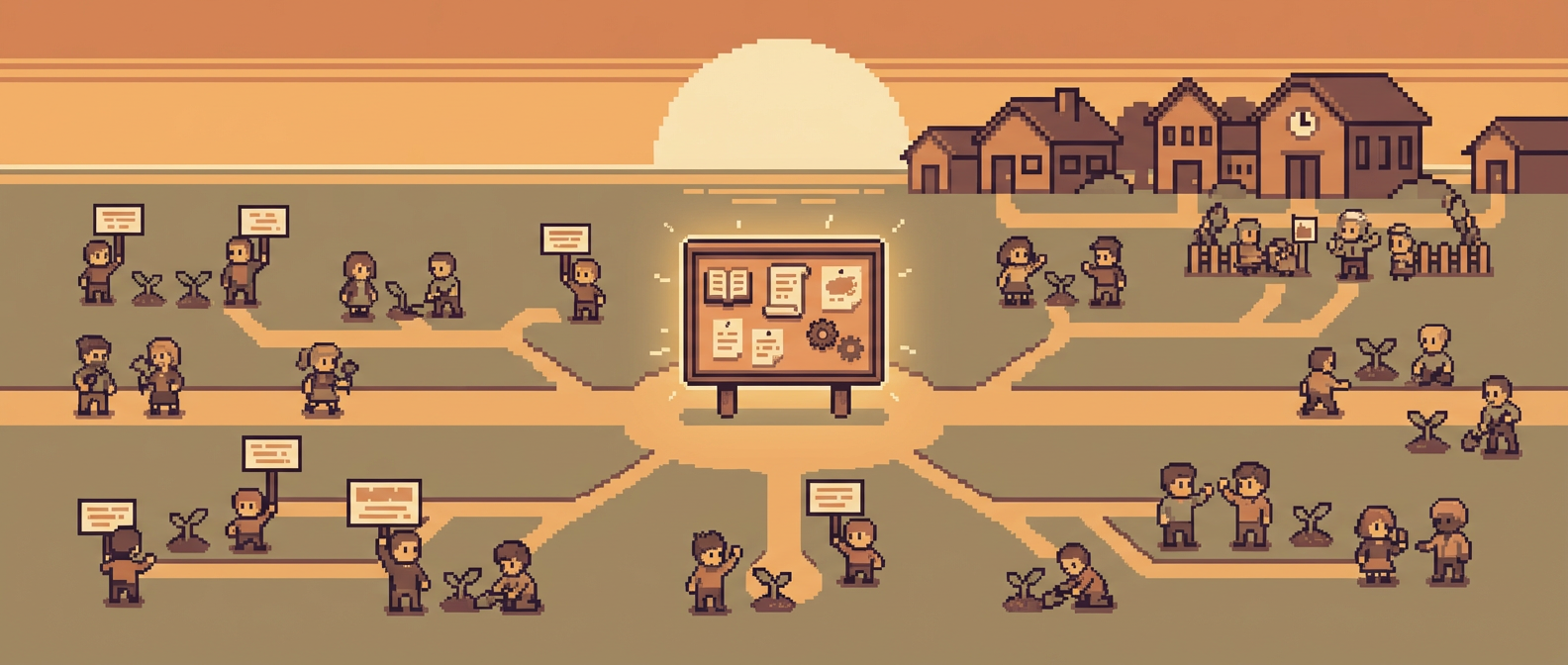
This is what grassroots organizing actually looks like. It’s not dramatic speeches or viral hashtags. It’s Sarah printing flyers at the library, knocking on doors during dinner time, and learning that the city’s traffic department responds better to engineering studies than emotional appeals. It’s mundane work that produces real results, and honestly, more people should know how to do it.
The biggest myth about community organizing is that you need special training or connections. You don’t. You need patience, a willingness to do homework, and the ability to have the same conversation fifteen times without losing your enthusiasm. Everything else you can figure out as you go.

Map Your Territory Before You Move
Every successful neighborhood campaign starts with the same unglamorous task: figuring out who actually makes decisions about your issue. This sounds obvious until you spend three months petitioning the wrong department about potholes, only to discover that street maintenance falls under county jurisdiction while your city council controls sidewalk repairs.
Start by identifying your decision makers. For local issues, this usually means city council members, school board trustees, county commissioners, or state representatives. Look up their contact information, committee assignments, and voting records on your issue. Most of this information lives on official websites, though you might need to dig through meeting minutes or budget documents to find the details that matter.
Next, map your community resources. Who runs the neighborhood association? Which local businesses might support your cause? Are there established groups already working on related issues? The retired teacher who organizes the annual block party probably knows more about local politics than anyone realizes. The owner of the corner store sees problems the rest of us miss. These relationships become your foundation.
Don’t skip the opposition research. If you want to install bike lanes, find out which businesses worry about losing parking spaces. If you’re pushing for affordable housing, identify the neighbors who think it will hurt property values. Understanding their concerns doesn’t mean agreeing with them, but it helps you craft better arguments and avoid unnecessary surprises.
Build Your Coalition One Coffee at a Time
Effective organizing happens in living rooms, not auditoriums. The most successful campaigns I’ve seen started with someone making a list of twenty people who might care about an issue, then systematically having coffee with each of them. Not to ask for anything specific, but to listen and understand what they’re already worried about.
Your goal in these conversations is to find the overlap between your issue and their existing concerns. Maybe your neighbor doesn’t care about traffic safety in abstract terms, but she’s been thinking about walkability since her mother moved in last year. Maybe the small business owner isn’t naturally interested in housing policy, but he’s struggling to find employees who can afford to live nearby. Find these connections, and suddenly you’re not recruiting people to your cause. You’re offering to help with theirs.
Start building your email list immediately, but resist the urge to spam people with updates. Send useful information: meeting agendas, contact details for relevant officials, summaries of budget proposals that affect your issue. Prove that being on your list means staying informed about things that matter, not getting buried in fundraising appeals and meeting announcements for events they can’t attend.
Remember that showing up consistently matters more than showing up with large numbers. Three people who come to every city council meeting for six months carry more weight than thirty people who show up once. Officials notice familiar faces, especially if those faces come with well-researched questions and practical suggestions.
Master the Bureaucracy Without Losing Your Soul
Government moves slowly by design, which means you need to learn its rhythm instead of fighting it. City councils set their agendas weeks in advance. Budget cycles follow predictable schedules. Planning commissions have specific procedures for public input. Working within these systems feels frustrating at first, but it’s much more effective than working against them.
Learn to speak bureaucracy as a second language. “Public safety concerns” carries more weight than “dangerous intersection.” “Economic development opportunity” opens more doors than “job creation program.” This isn’t about compromising your values. It’s about using language that helps officials understand why your issue fits their priorities.
Document everything. Meeting minutes become your legal record. Email chains prove that officials knew about problems before they became crises. Photos and videos provide evidence that words alone can’t capture. Create a simple filing system, either digital or paper, and use it religiously. Six months from now, you’ll need to remember exactly what Councilwoman Johnson said about funding sources, and your memory won’t be reliable enough.
Build relationships with staff, not just elected officials. The planning director, public works supervisor, and city clerk often have more practical influence than the people who get elected. They know which projects are actually doable, which regulations can be waived, and which timing makes sense for your proposal. Treat them as professional allies, not obstacles to get around.
Measure Progress in Small Wins
Real change happens incrementally, which means you need to celebrate partial victories instead of waiting for complete success. Getting your issue added to a committee agenda is progress. Securing a budget line item for a feasibility study moves you forward. Convincing one council member to ask better questions during meetings advances your cause, even if you don’t win the final vote.
Track these small wins deliberately. Keep a running list of meetings attended, officials contacted, supporters recruited, and commitments secured. This record works two ways: it reminds you that you’re making progress even when it doesn’t feel that way, and it provides concrete evidence when you need to convince others that your approach is working.
Stay flexible about tactics while remaining firm about goals. Maybe direct advocacy isn’t working, but a pilot program might be possible. Maybe this year’s budget cycle won’t include your project, but next year’s might if you start building support now. Maybe the city council isn’t interested, but the school board has related concerns that could become your entry point.
Most importantly, plan for the long term. Community organizing isn’t about winning single campaigns. It’s about building ongoing capacity to spot problems and create solutions. The relationships you build, the skills you develop, and the credibility you establish become resources for addressing whatever challenge comes next. Your neighborhood needs people who know how to get things done, and learning these skills might be the most useful community service you can provide.