The Housing Math That Doesn’t Add Up (And How Some Communities Found a Different Equation)
You’ve probably noticed it happening in your own neighborhood. The house three blocks over that sold for $320,000 five years ago just went for $485,000. Your cousin got priced out of the town where she grew up. Someone’s elderly parent had to move because property taxes climbed faster than their fixed income. We talk about the housing crisis like it’s some distant economic abstraction, but it’s actually the story of real people getting squeezed out of the places they belong.
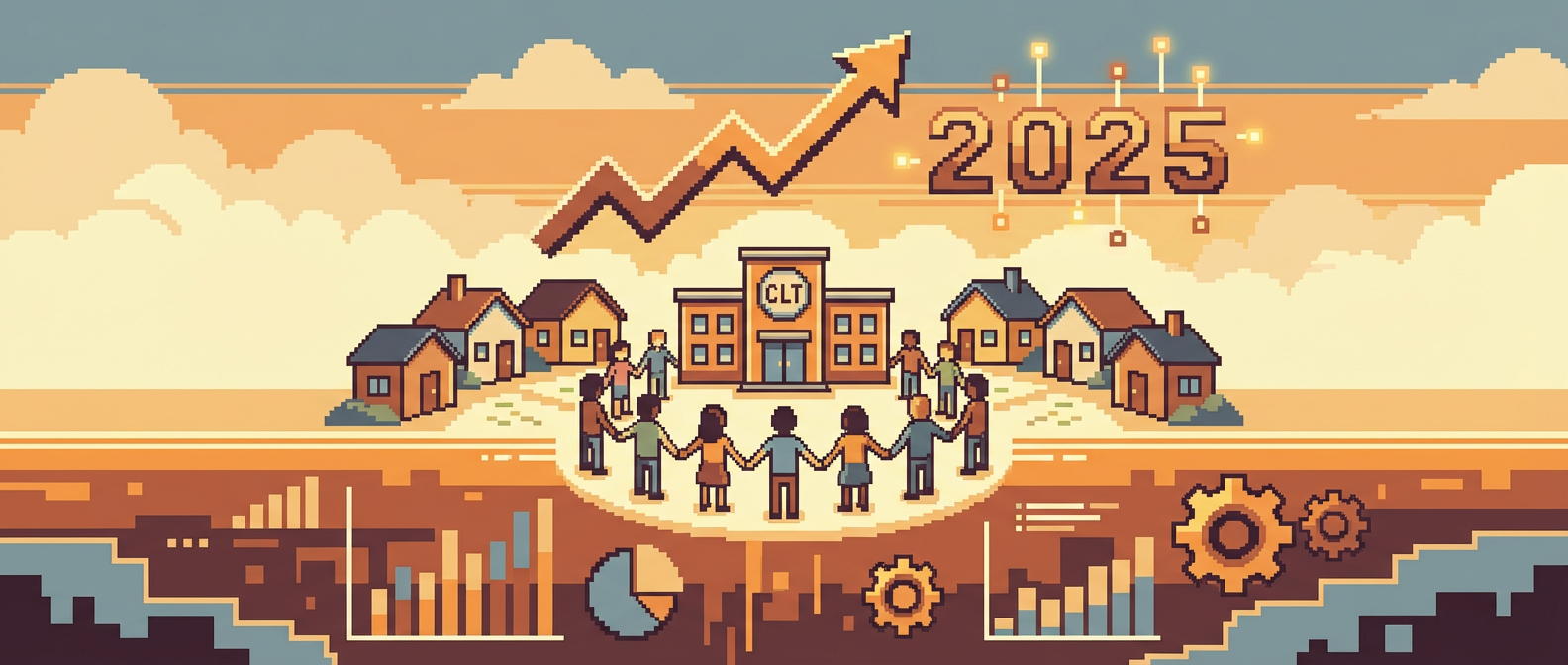
What’s less visible, though, is that a quiet revolution has been happening in cities and towns across the country. There are now over 300 active community land trusts operating in the United States, a 25 percent increase since 2020, with particularly strong growth in the South and Midwest. These aren’t corporate solutions dreamed up in boardrooms. They’re neighborhood-rooted organizations built on a deceptively simple idea: separate the land from the building, and suddenly the math changes entirely. Your community might already have one working behind the scenes, or it might be time to start one.
How Community Land Trusts Actually Work (The Part That Sounds Too Good to Be True)
A community land trust acquires land and holds it permanently, then sells or leases affordable homes built on that land to residents. Here’s where it gets interesting: the homeowner buys the building but not the land underneath it. The trust keeps ownership of the land and maintains long-term affordability restrictions. When someone sells, the home stays affordable for the next buyer. The land never gets flipped. The price never skyrockets.
Take the Champlain Housing Trust in Burlington, Vermont, one of the country’s oldest CLTs. In 2024 alone, homeowners in their program built an average of $14,000 in equity despite flat market conditions in the region. That number might not sound revolutionary until you understand what it represents: real wealth-building for people who would otherwise be locked out of homeownership entirely. These aren’t just renters getting a break. These are people accumulating assets, building stability, creating the kind of financial foundation that generational wealth is made from.
The resilience of CLTs became especially clear during the recent interest rate surge. From 2022 through 2024, when mortgage rates climbed and the broader housing market started showing stress, CLT homeowners maintained a foreclosure rate of just 0.6 percent compared to 3.8 percent for comparable market-rate homeowners. That’s not a marginal difference. That’s the difference between staying housed and losing everything. The Lincoln Institute of Land Policy documented this pattern, and it reveals something fundamental: CLTs provide not just affordability, but genuine stability.
Real Neighborhoods, Real Numbers: Where CLTs Are Actually Making a Difference
Atlanta’s Westside Future Fund is the kind of success story that makes you wonder why every city doesn’t already have something like this. Launched in 2017, this CLT had preserved over 300 affordable units by 2025 in neighborhoods where median home prices rose 62 percent over that same period. Think about what that means. While everything around these communities was getting dramatically more expensive, the trust was systematically keeping homes affordable for teachers, nurses, service workers, and families that had called these neighborhoods home for years.
These aren’t isolated pockets of affordability surrounded by unaffordable blocks. They’re actual communities where people are building lives, raising kids, starting businesses, staying put. That matters more than statistics alone can capture. When people aren’t constantly worried about being priced out, they plant deeper roots. They know their neighbors longer. They invest in the place because they know they’ll be there.
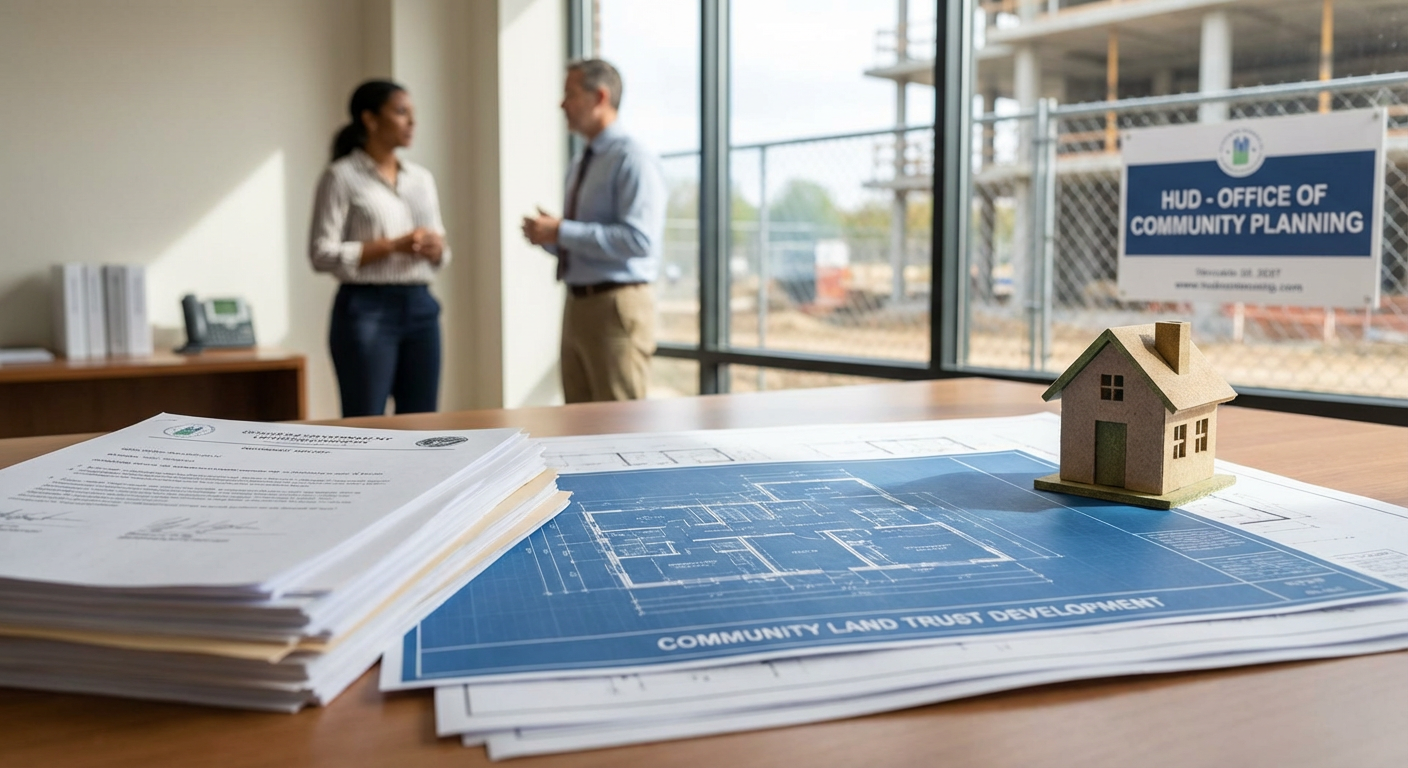
The momentum is building nationally too. The U.S. Department of Housing and Urban Development allocated $35 million specifically toward CLT capacity building grants in 2025, the first dedicated federal funding stream for community land trusts in over a decade. That’s not accidental. It’s a recognition that CLTs work, and that they deserve real support.
What Makes This Different From Other Solutions (And Why It Actually Matters)
Community land trusts operate on a fundamentally different premise than market-rate housing development or even some other affordable housing programs. They’re permanent. Not temporary. Not dependent on a developer’s goodwill or a government subsidy that expires. The affordability built into a CLT home stays built in, forever. The next owner, and the owner after that, benefits from the same structure.
They’re also controlled by the community itself. This isn’t some outside entity parachuting in with solutions. It’s neighbors, local leaders, and longtime residents deciding what their community needs and building it together. If you want to know whether a CLT is working in your neighborhood, you don’t need to read between the lines of a corporate earnings report. You can talk to the people living there. You can walk the streets.
Want to see if your area already has one? The Grounded Solutions Network Community Land Trust Database lets you search by location. It’s worth checking. And if your city doesn’t have a CLT yet, that’s actually important information too.
What You Can Actually Do About This (Starting Right Now)
If you’ve read this far, you probably care about housing in your community. Maybe you’re frustrated watching people you know get pushed out. Maybe you’re wondering if there’s actually something that works. CLTs are a proven model gaining real momentum and real funding. And you don’t need to be a housing expert or a policymaker to help make this happen.
Start by finding out if your community has a CLT. If it does, attend a meeting, volunteer, tell your local officials it matters to you. If it doesn’t, talk to your city council representatives or nonprofit leaders about whether now is the right time to start one. The work isn’t simple, but it’s not mysterious either. Hundreds of communities have figured out how to do it. The framework exists. The federal funding is there. What’s needed is the will to try, and people willing to show up and do the work.
The housing crisis won’t solve itself, and CLTs aren’t an overnight fix. But they offer something increasingly rare in our approach to big problems: an actual solution that works, that’s growing, and that anyone with commitment can help build. That’s worth paying attention to.